Great WarOur pick
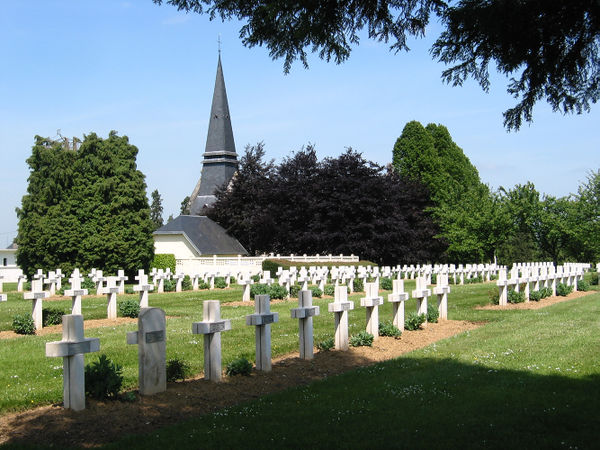
Rancourt — Souvenir Français Chapel
French chapel and national cemetery at the heart of a memorial complex that brings together French, British and German remembrance.
Bouchavesnes-Bergen / Rancourt2.7 km

Combles, at the heart of the historic and natural sites of the Upper Somme.
27 places on the map · 53 places without a precise location, listed below
80 places shown
French chapel and national cemetery at the heart of a memorial complex that brings together French, British and German remembrance.
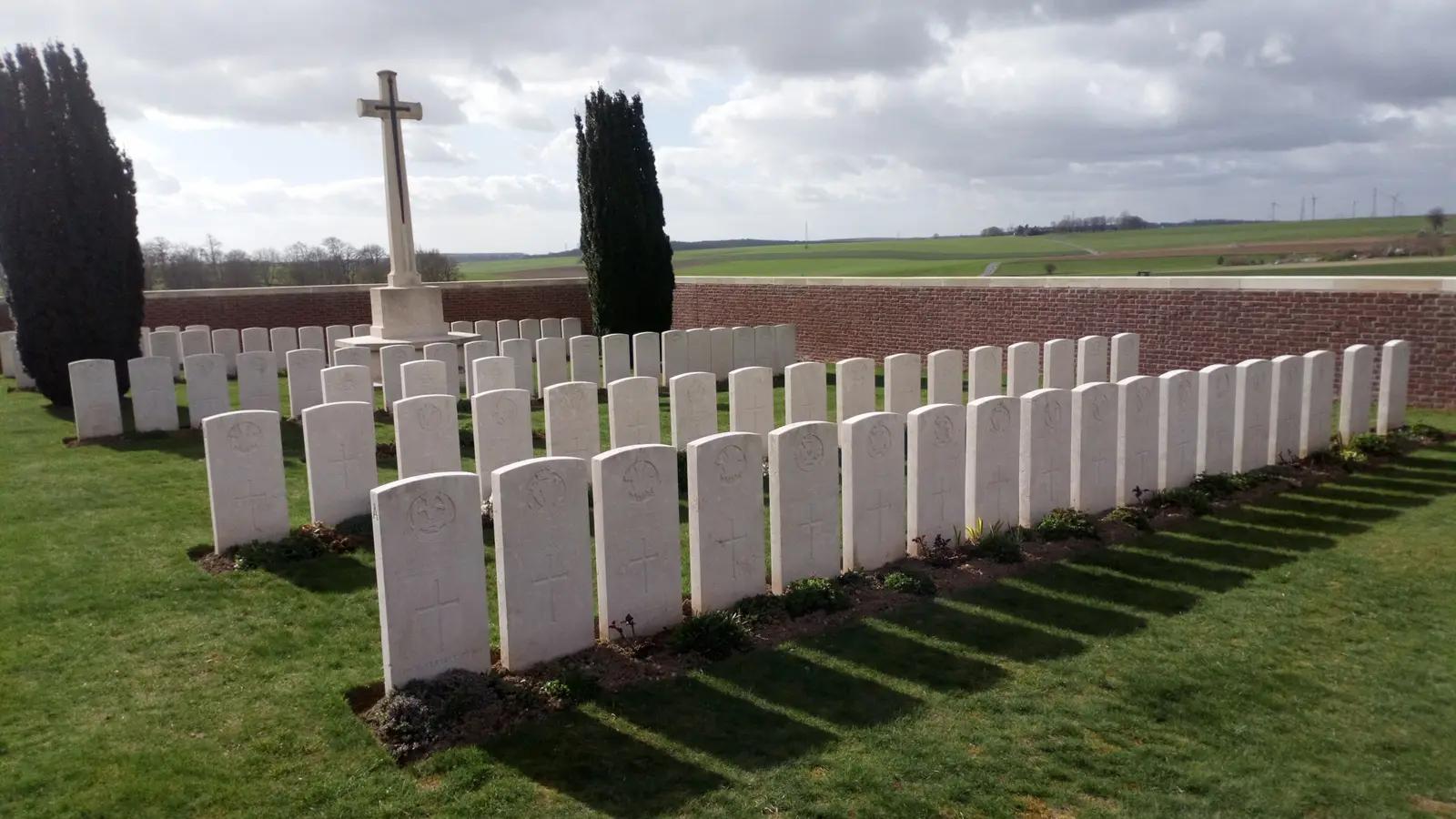
Commonwealth cemetery forming part of the large Rancourt memorial complex.
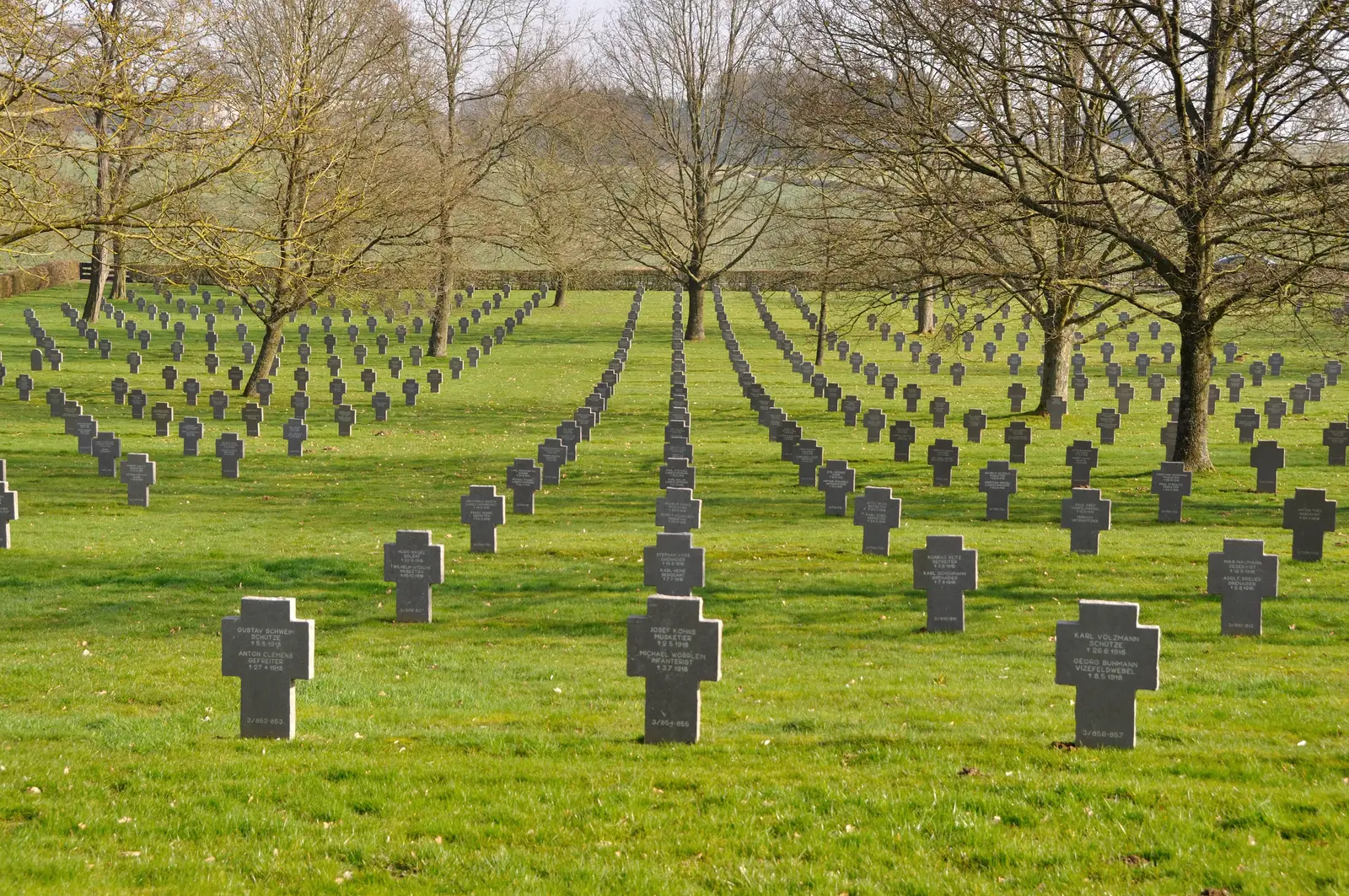
Major German military cemetery on the Somme, close to the French national cemetery and Rancourt British Cemetery.
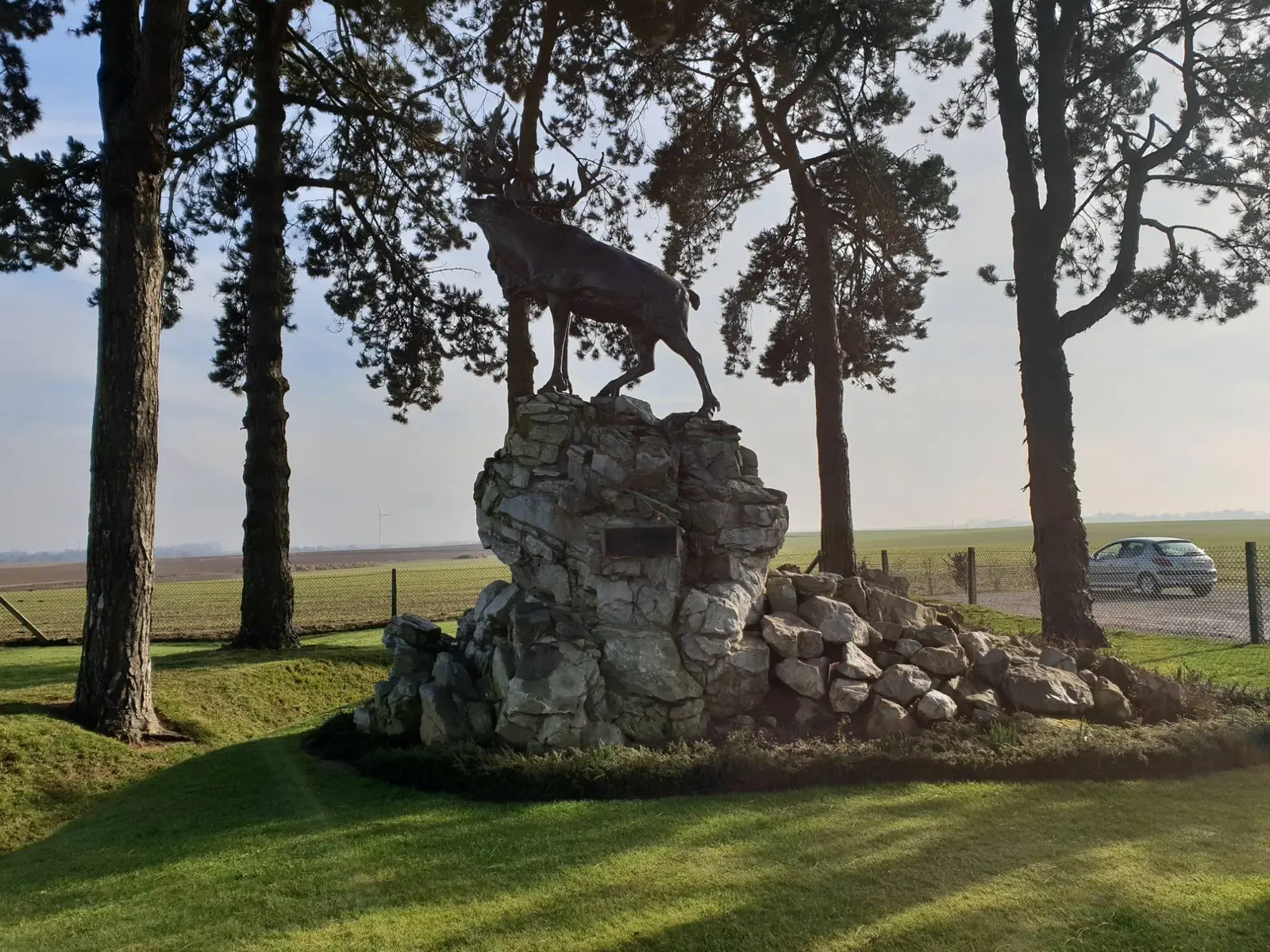
Bronze caribou commemorating the Newfoundland Regiment at the Battle of Le Transloy, October 1916.
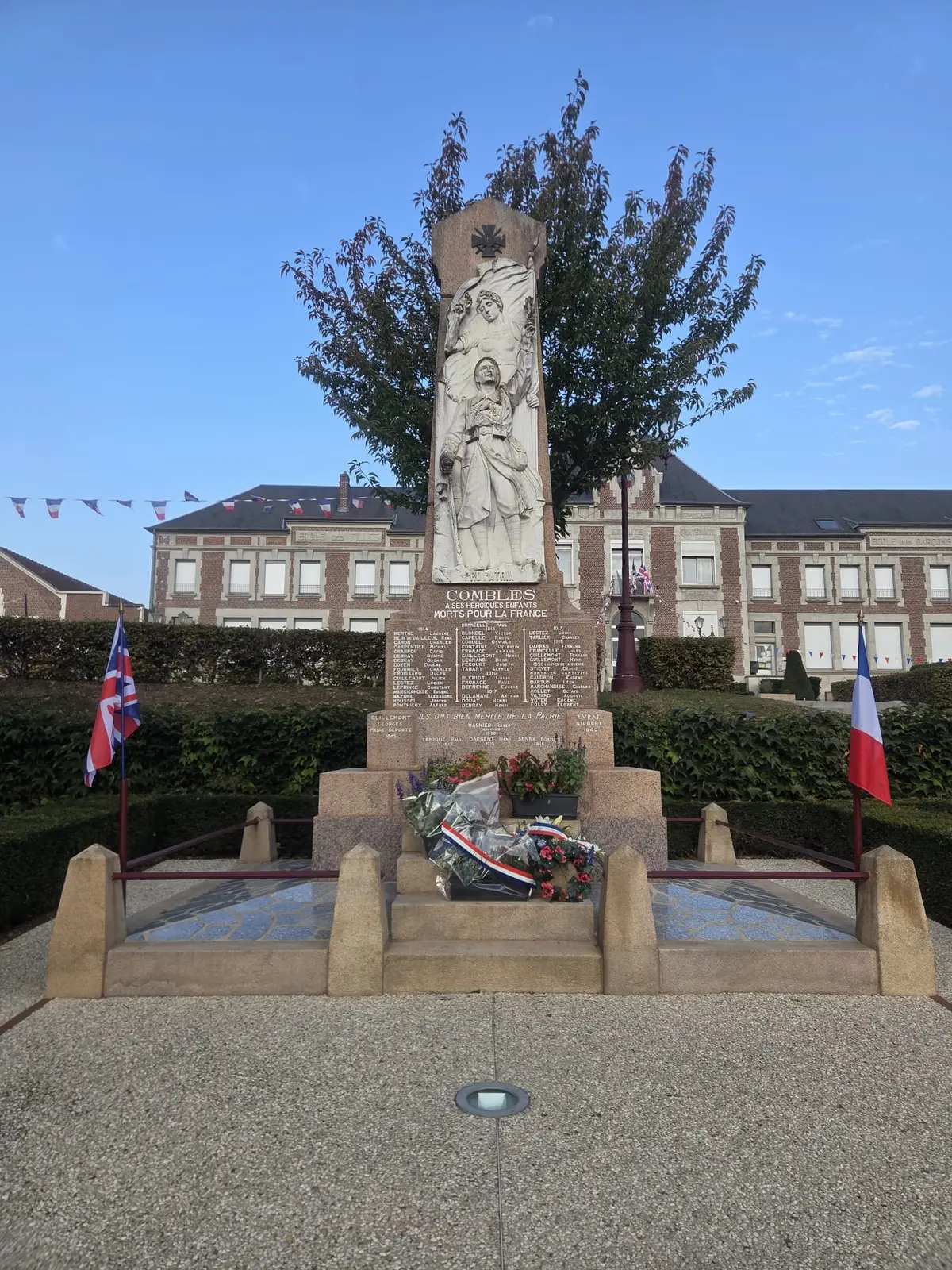
Post-war memorial closely linked to the history of the village.
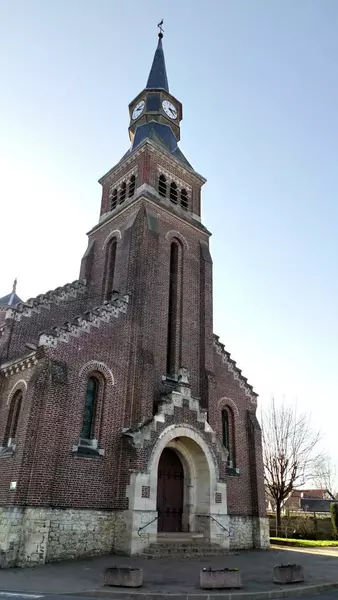
Church rebuilt after the destruction of the First World War, a fine example of the Reconstruction heritage of Combles.
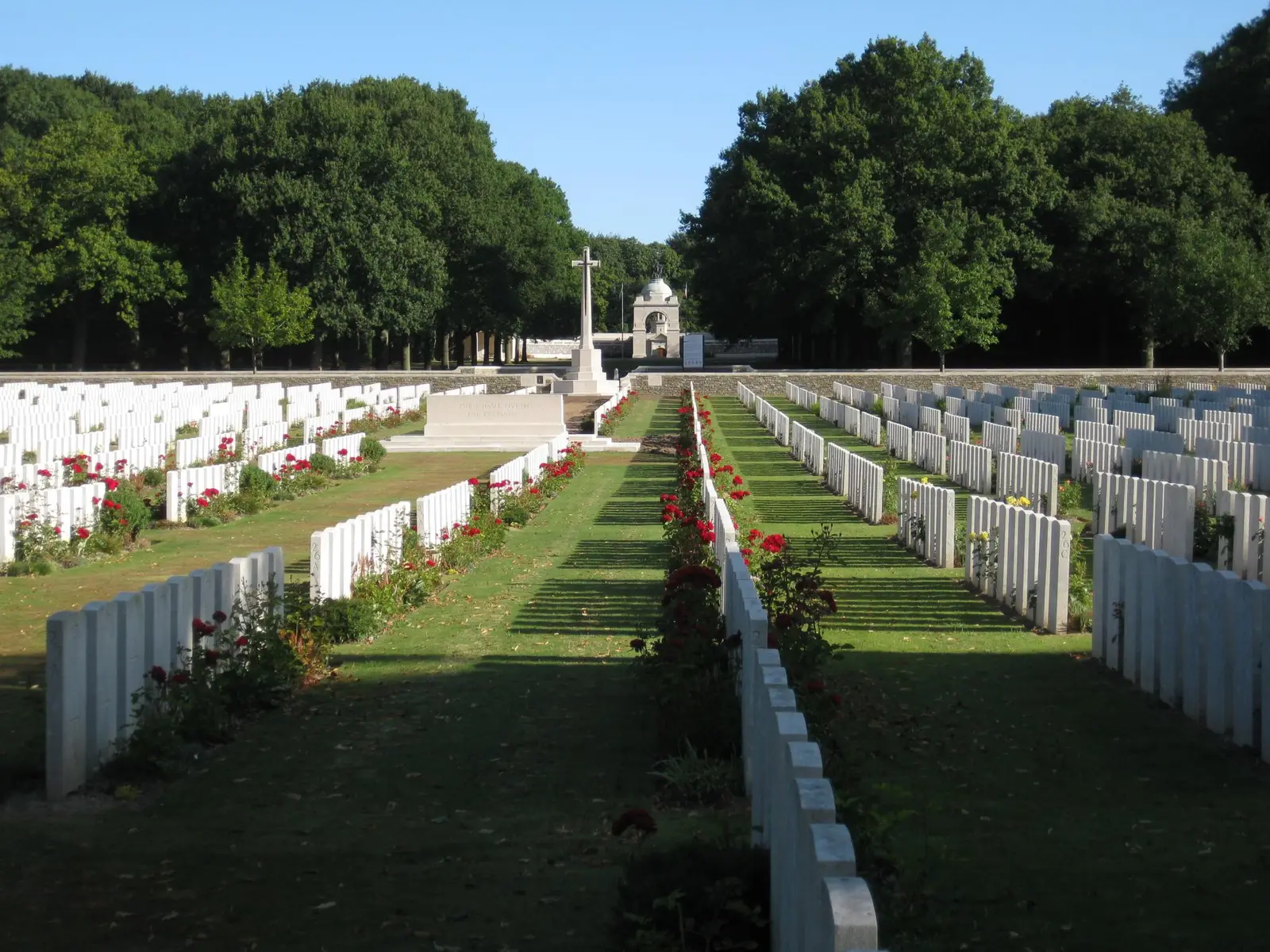
Commonwealth cemetery opposite the South African memorial; a UNESCO World Heritage site.
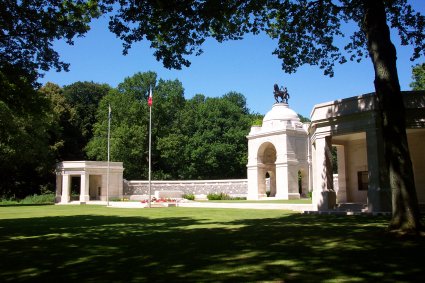
Major international site dedicated to South African soldiers, in the heart of Delville Wood. Museum, memorial, wood and cemetery.
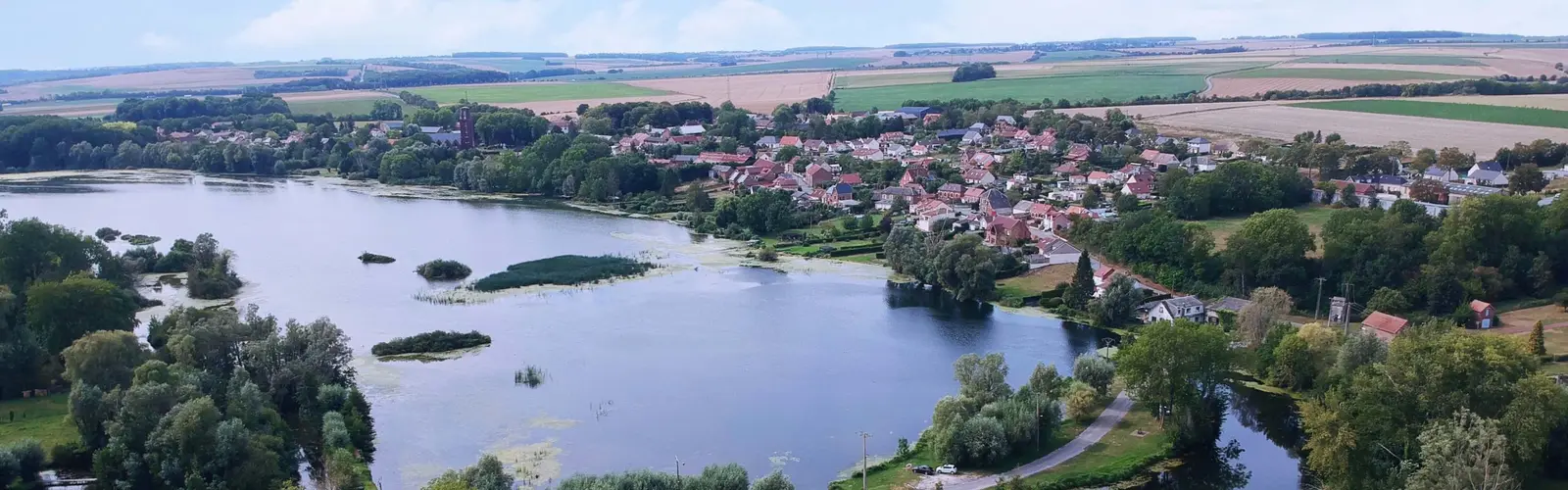
Protected natural area managed by the département. 2.5 km discovery trail, with more than 90 bird species recorded.
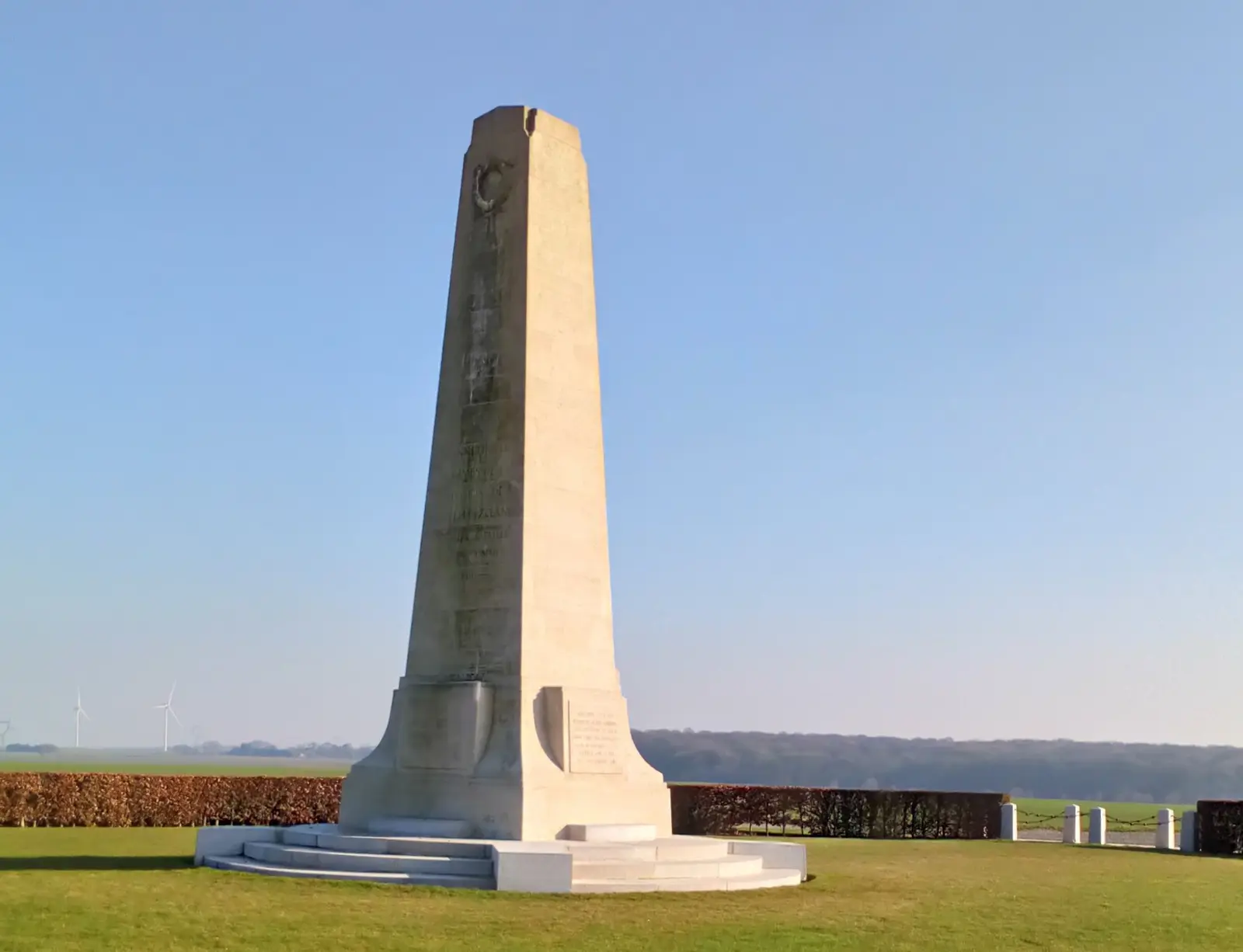
A major site of New Zealand remembrance; the cemetery includes the memorial to New Zealand’s missing.
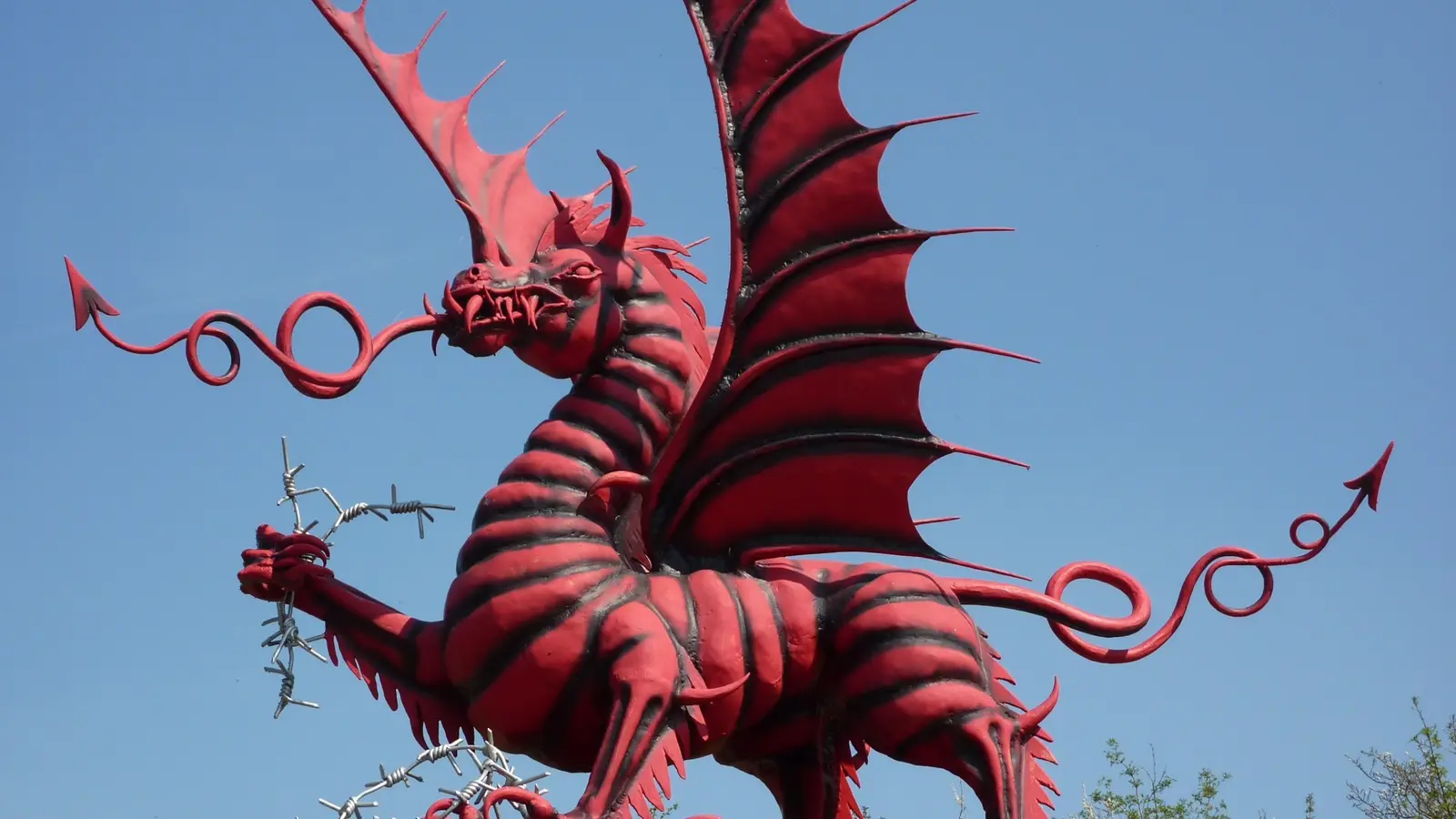
Striking memorial to the 38th (Welsh) Division, one of the most recognisable sites on the Remembrance Trail.
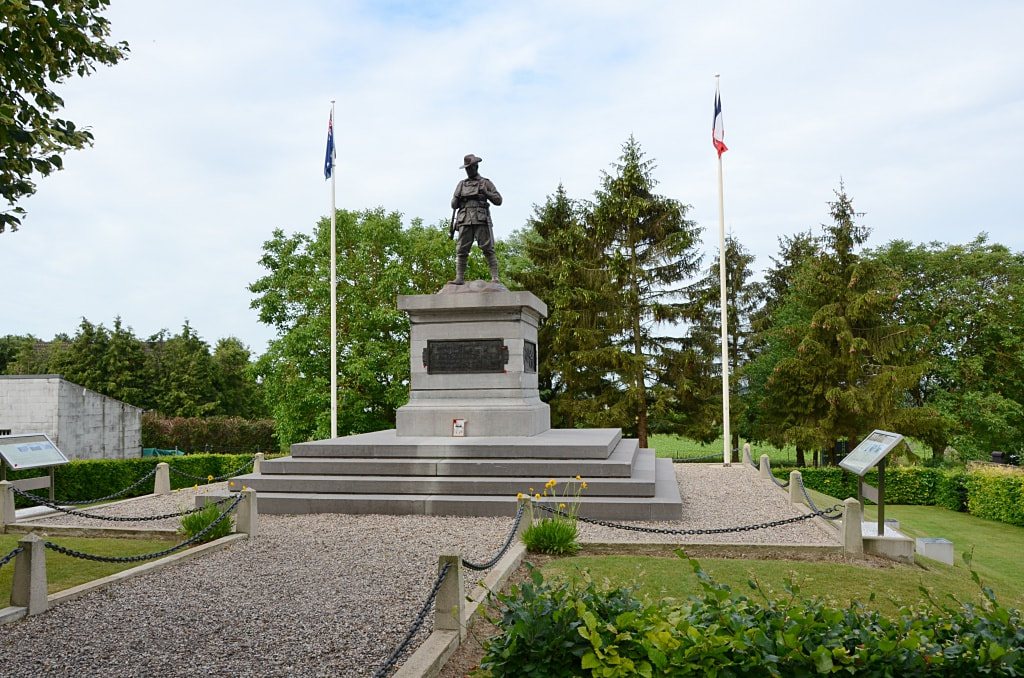
Strategic high ground linked to the fighting of 1918 and to Australian remembrance; views over Péronne and the valley.
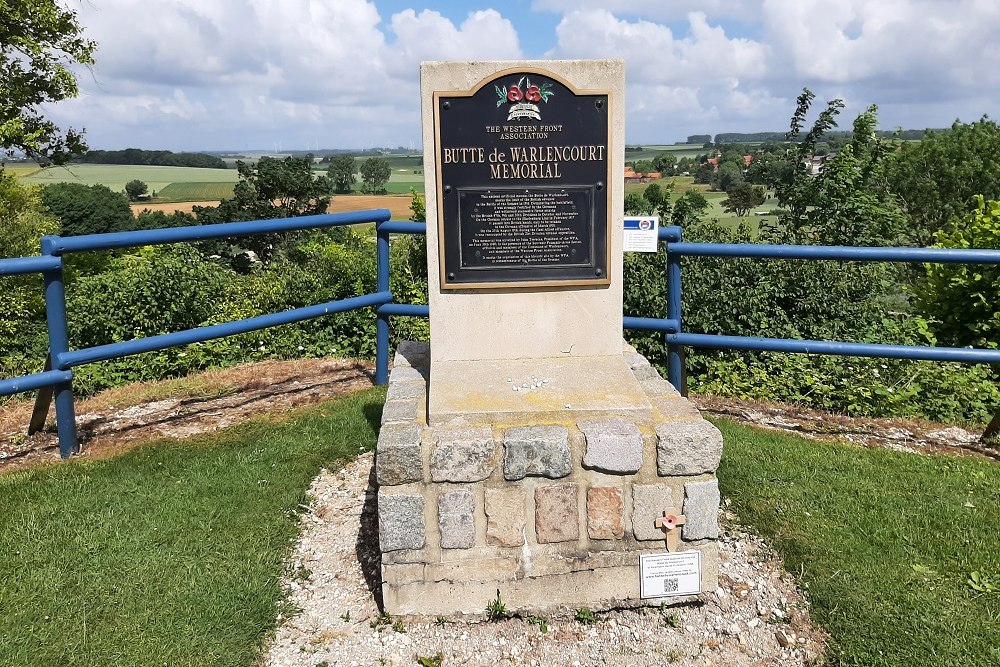
Former German strongpoint and scene of fierce fighting in 1916.
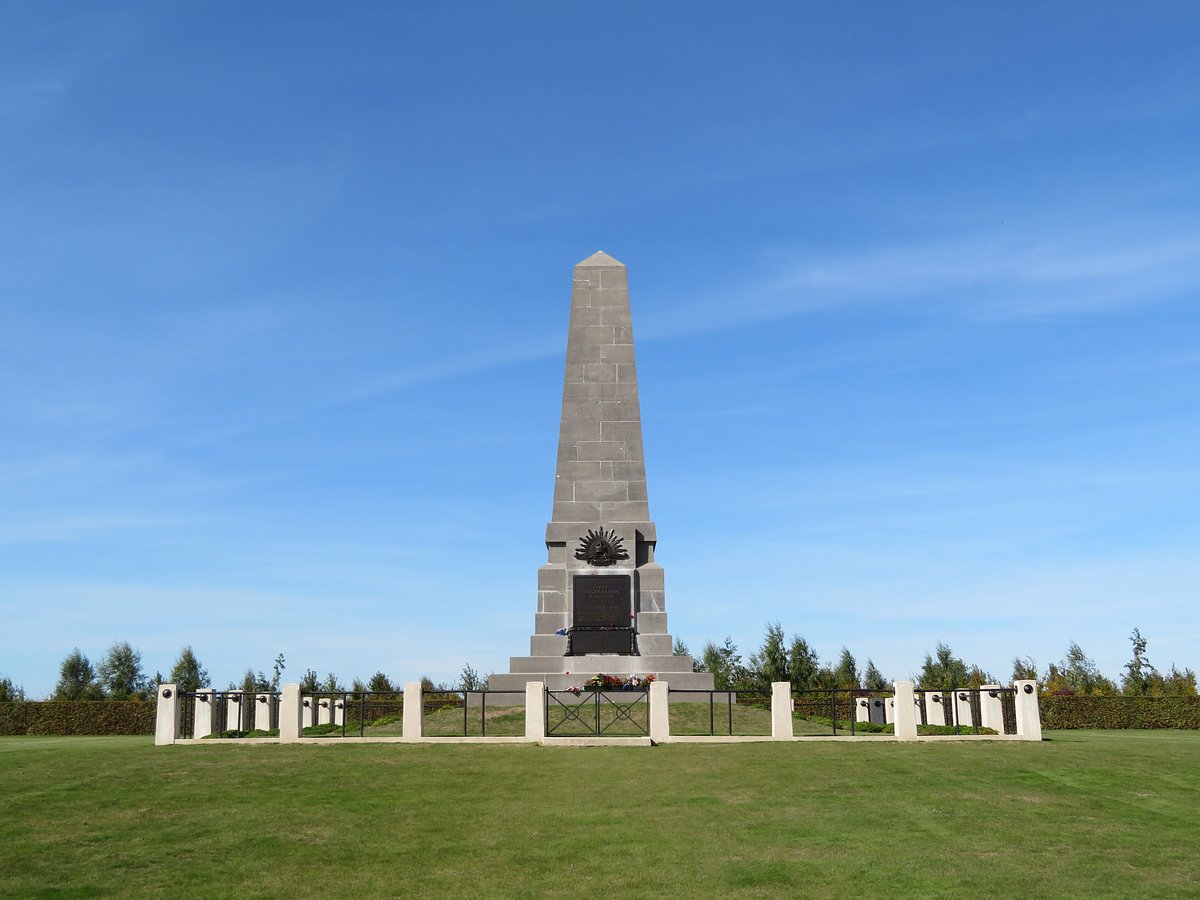
One of the key landmarks of Australian remembrance on the Somme.
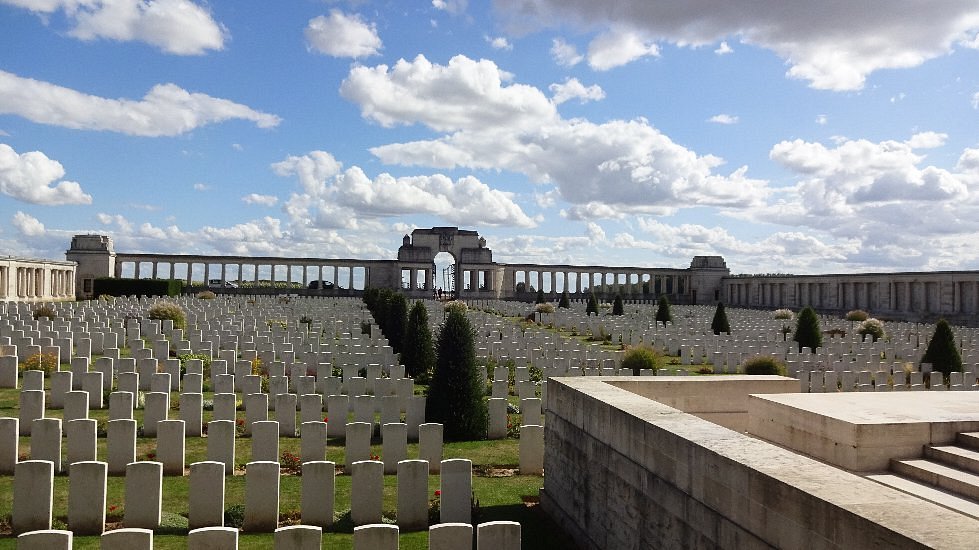
Cemetery and memorial to the missing, listed as a UNESCO World Heritage site.
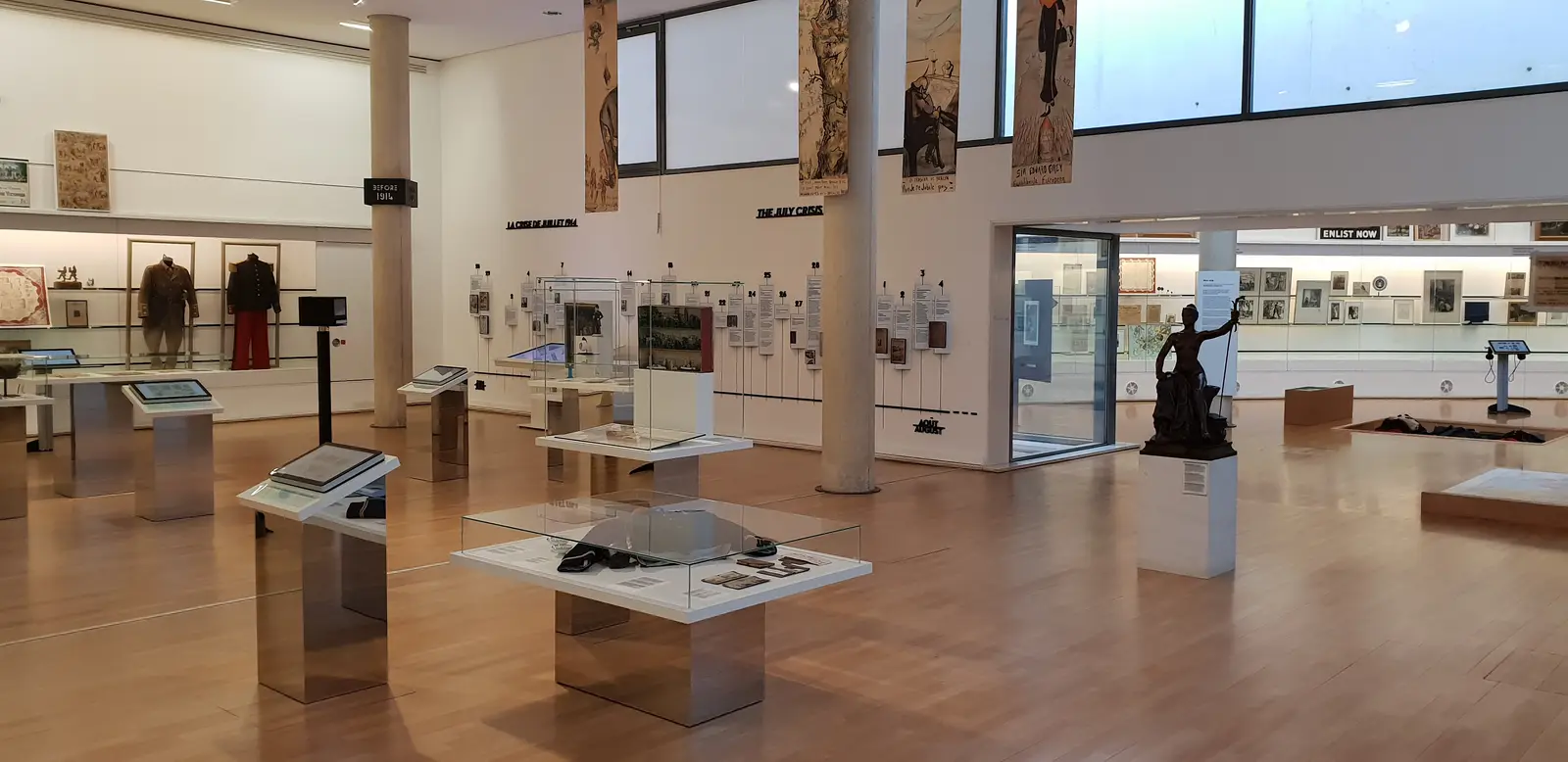
Internationally renowned museum housed in Péronne castle, offering a military, social and cultural view of the First World War.
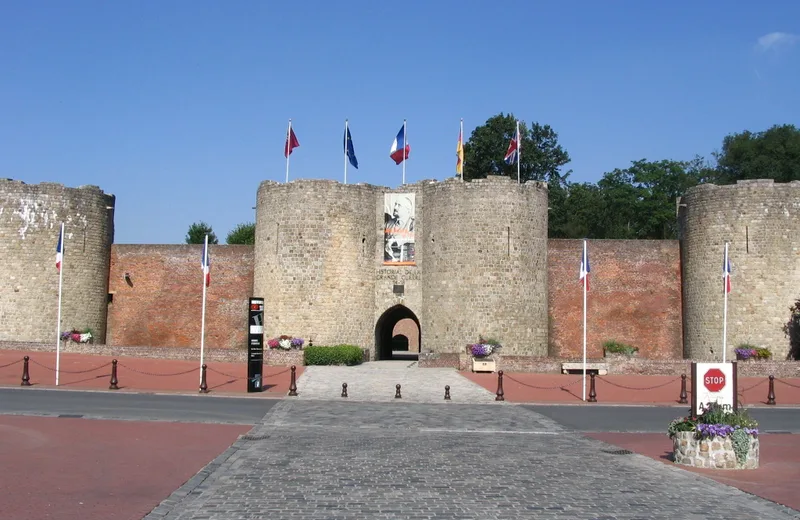
Medieval castle that houses the Historial; the starting point for exploring the town’s fortified heritage.
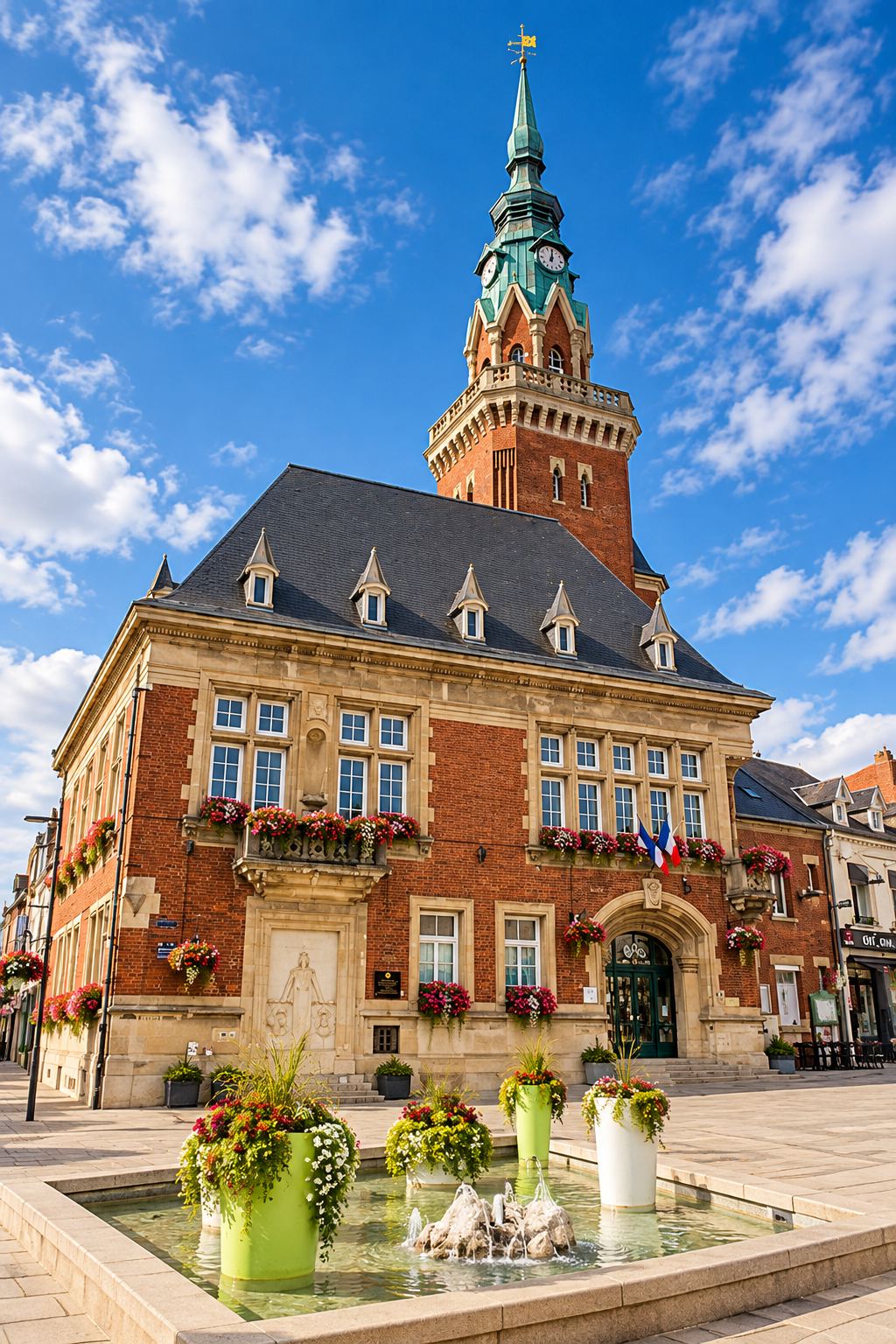
Reconstruction heritage and the monumental heart of Bapaume.
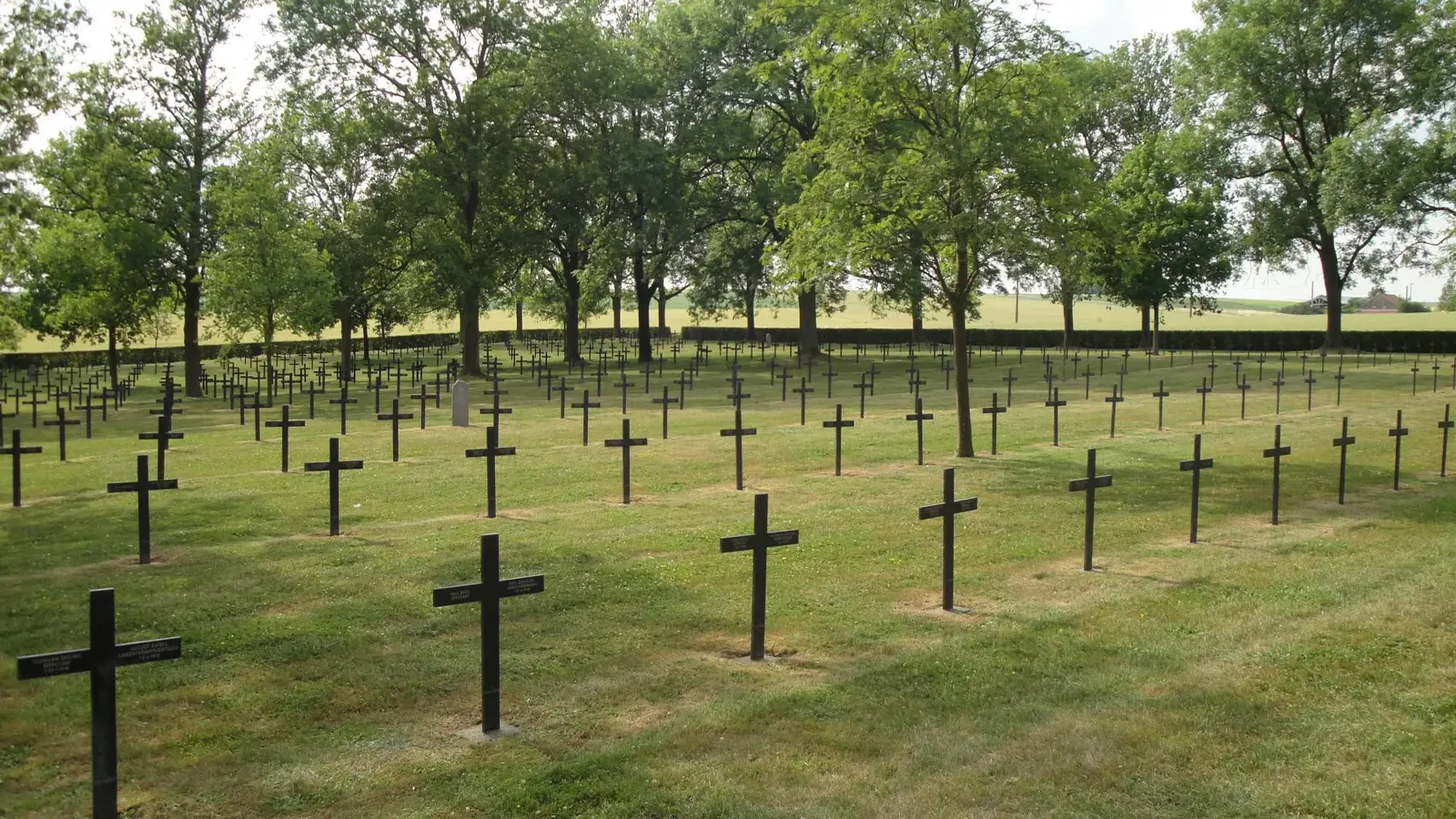
Major German cemetery of the Battle of the Somme.
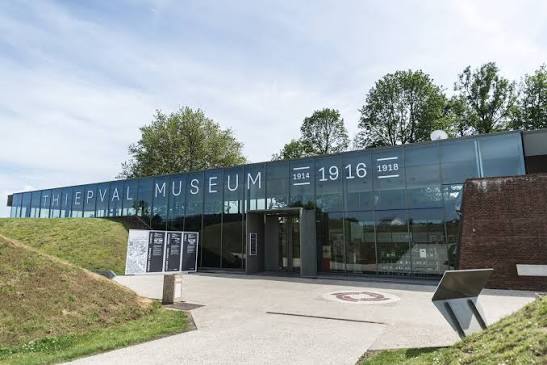
On-site museum run by the Historial, featuring Joe Sacco’s panorama and an interpretation centre on the battle.
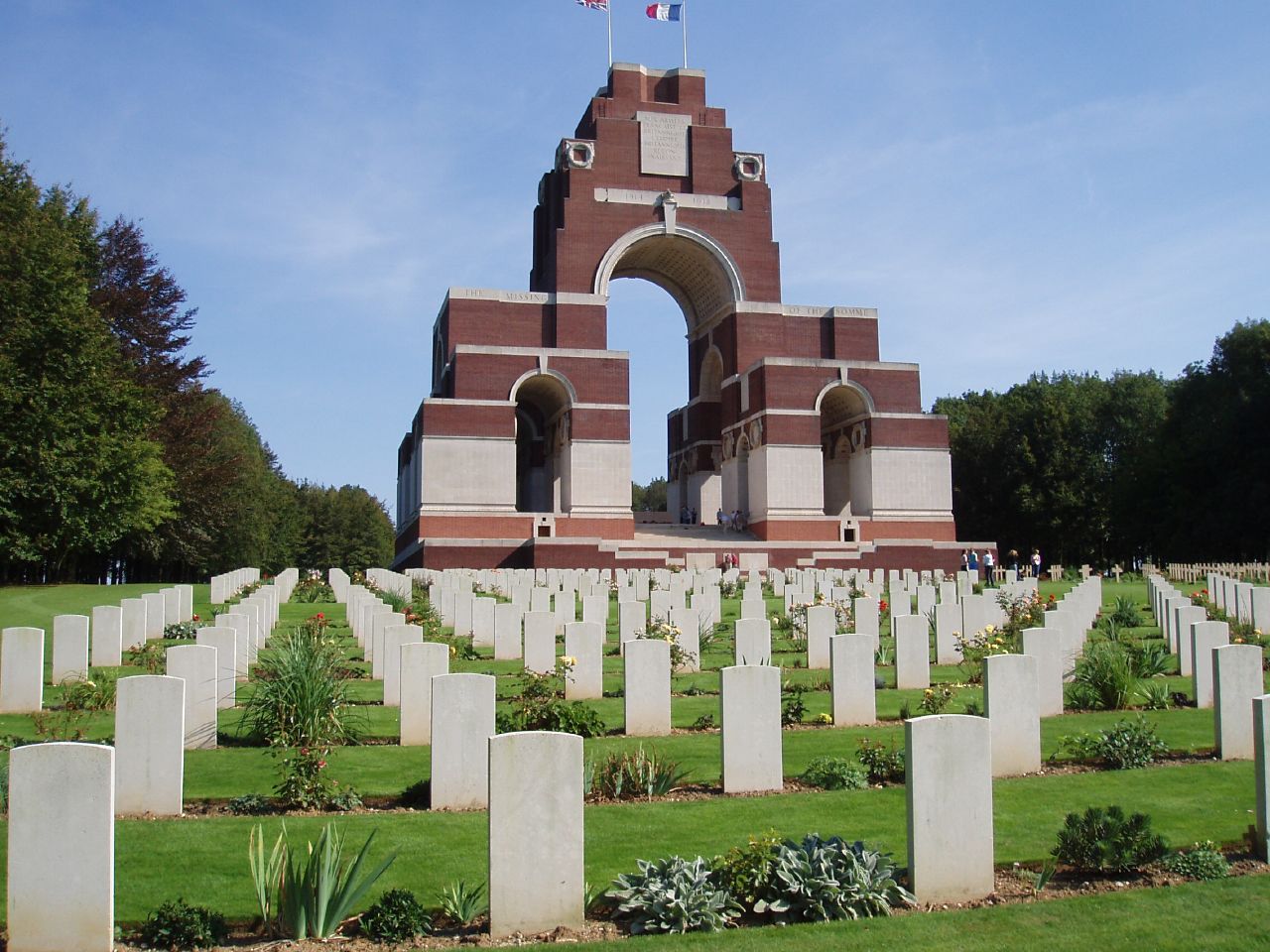
The largest British memorial to the missing of the First World War; a major international site.
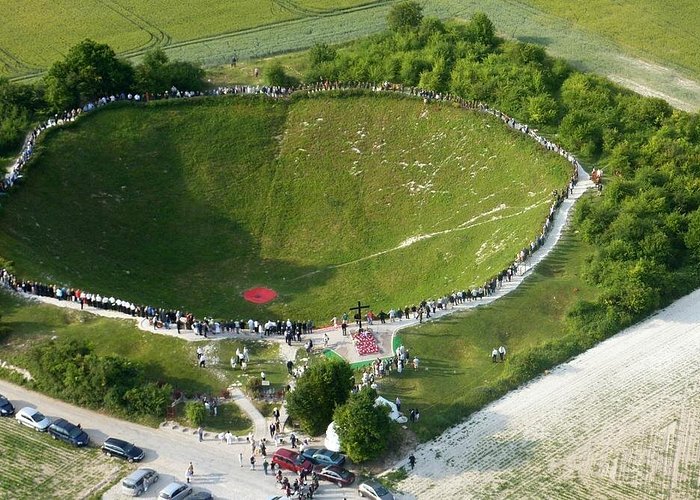
Mine crater some 91 m across and 21 m deep, a dramatic reminder of the explosions of 1 July 1916.
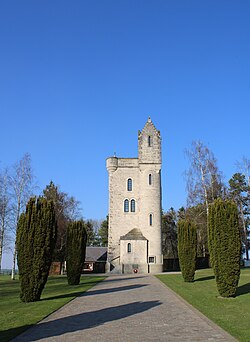
The first official memorial erected on the Western Front, dedicated to the 36th (Ulster) Division. Tours of Thiepval Wood by appointment.
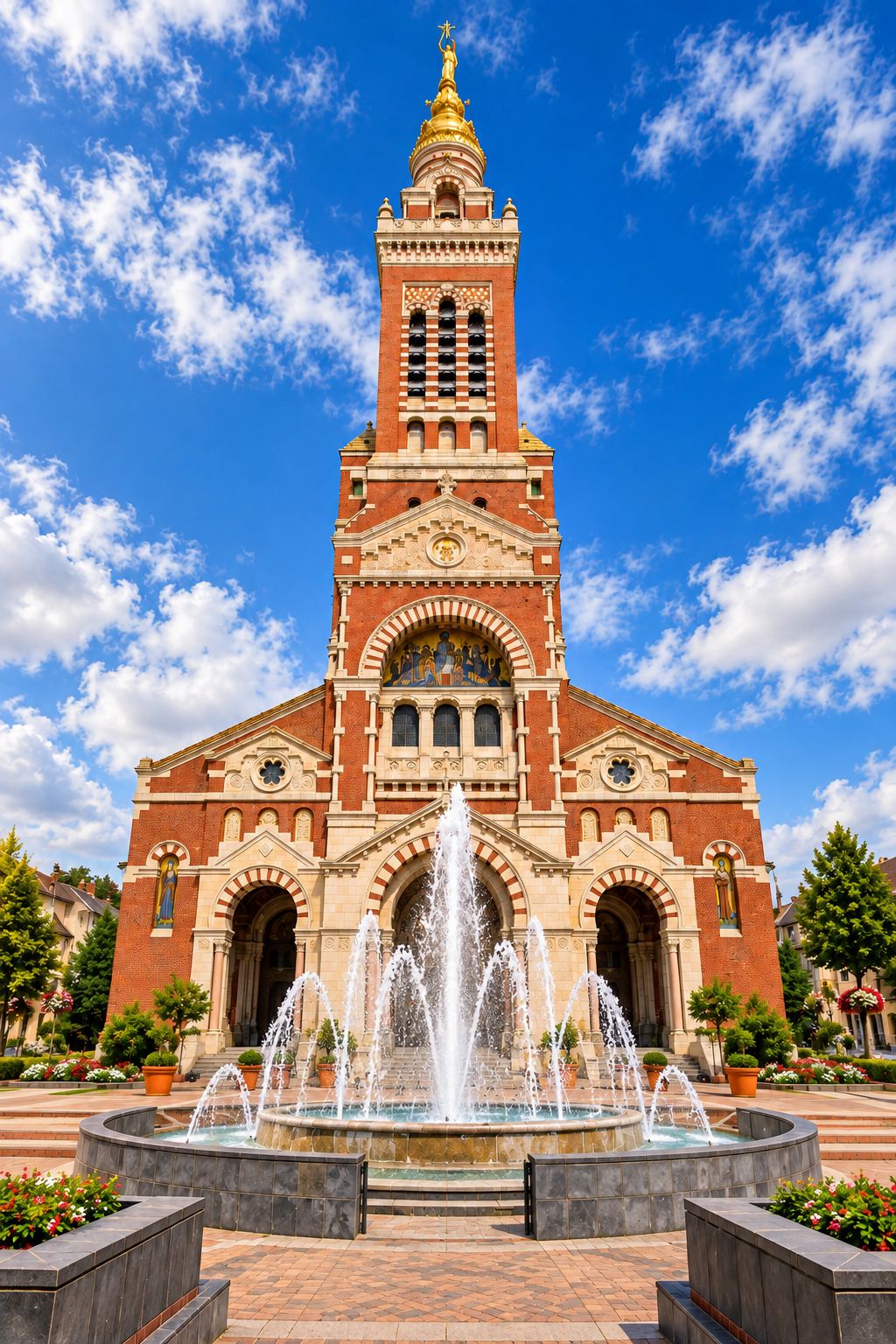
Albert’s landmark building, famous for its Golden Virgin and closely tied to the history of 1914–1918.
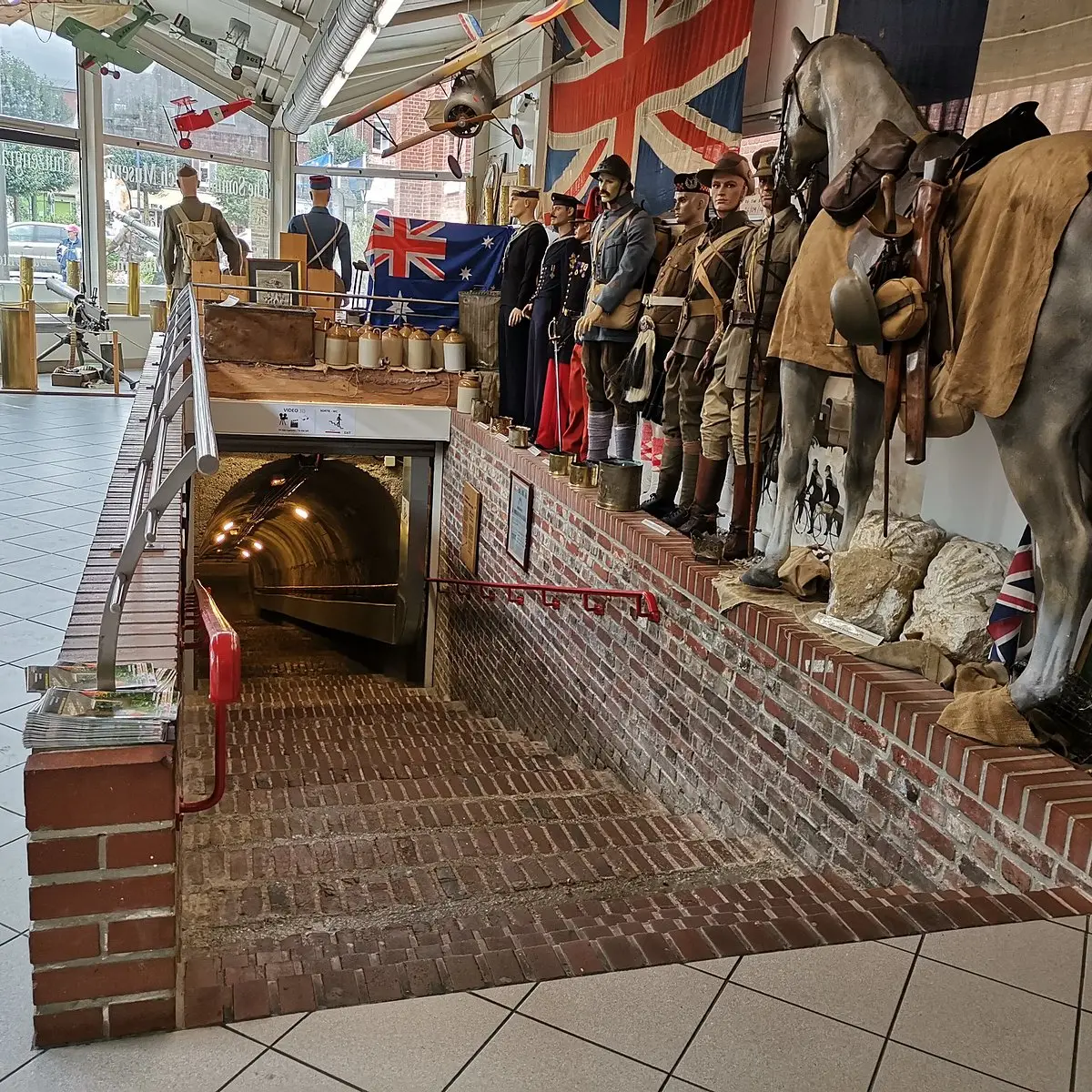
Underground museum about soldiers’ life in the trenches and the Battle of the Somme.
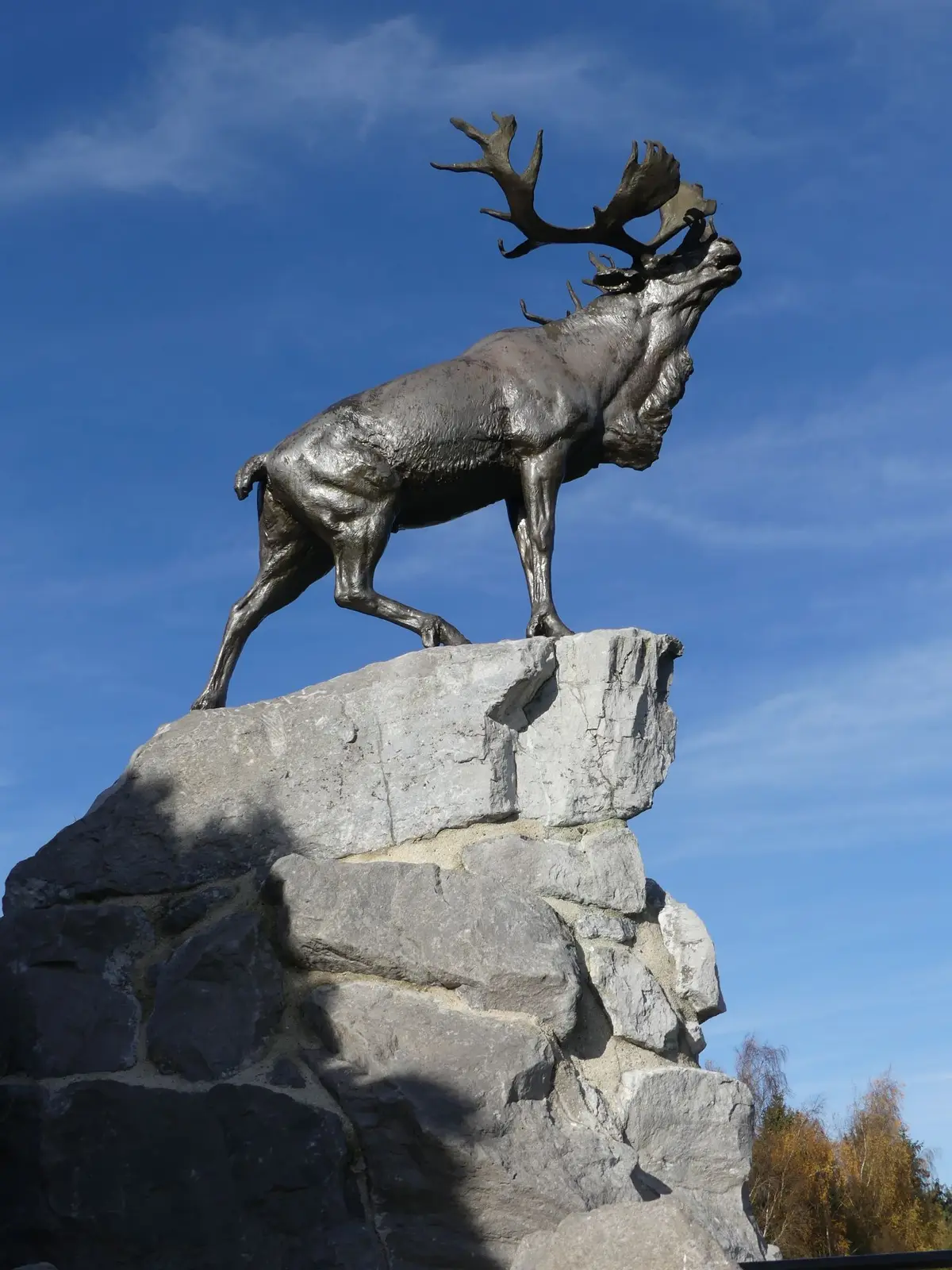
Preserved battlefield with trenches, the Caribou, memorials, cemeteries and a visitor centre — one of the most immersive sites on the front.
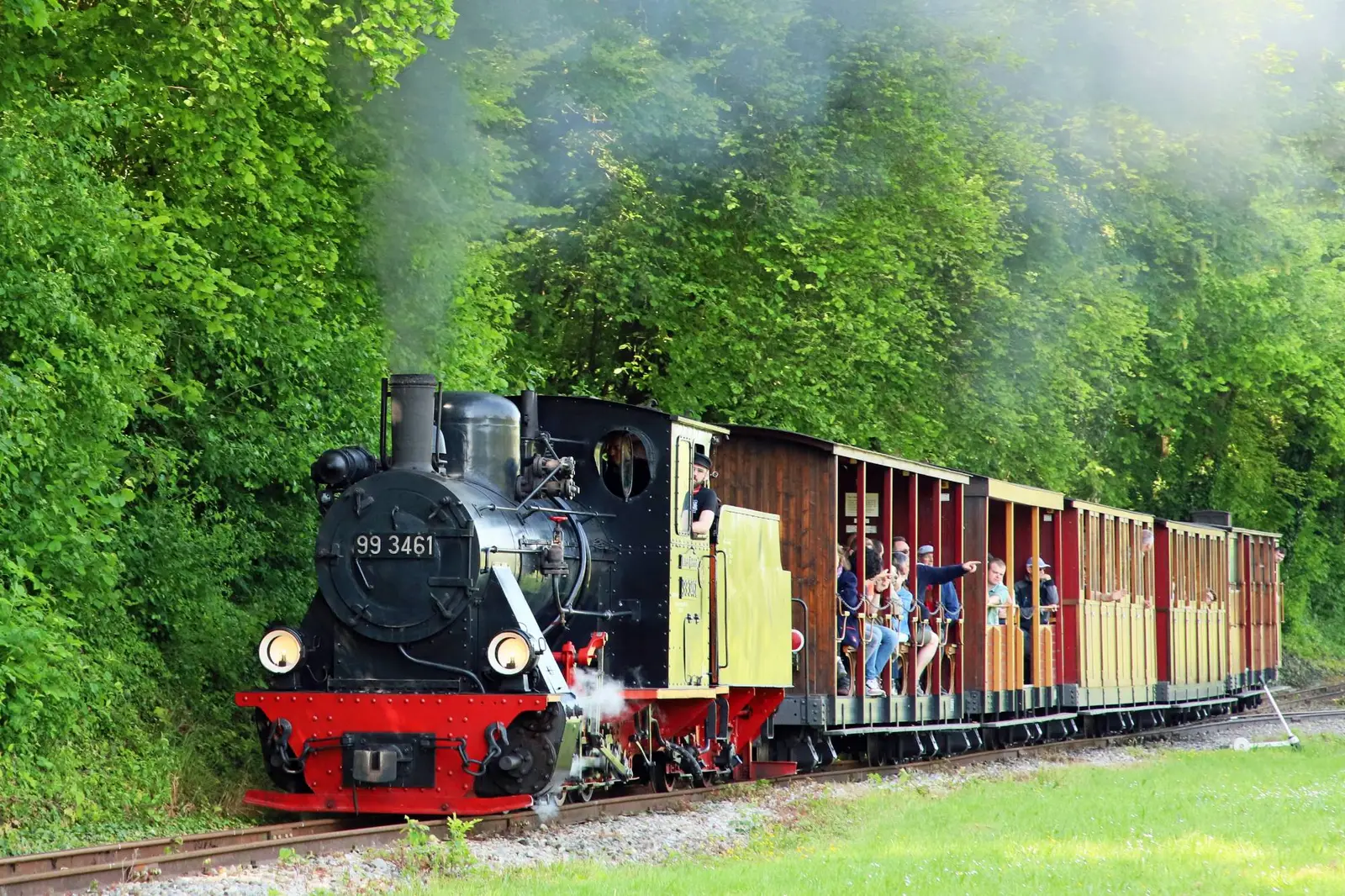
Historic narrow-gauge tourist railway and museum of military and industrial railways. A major family attraction.
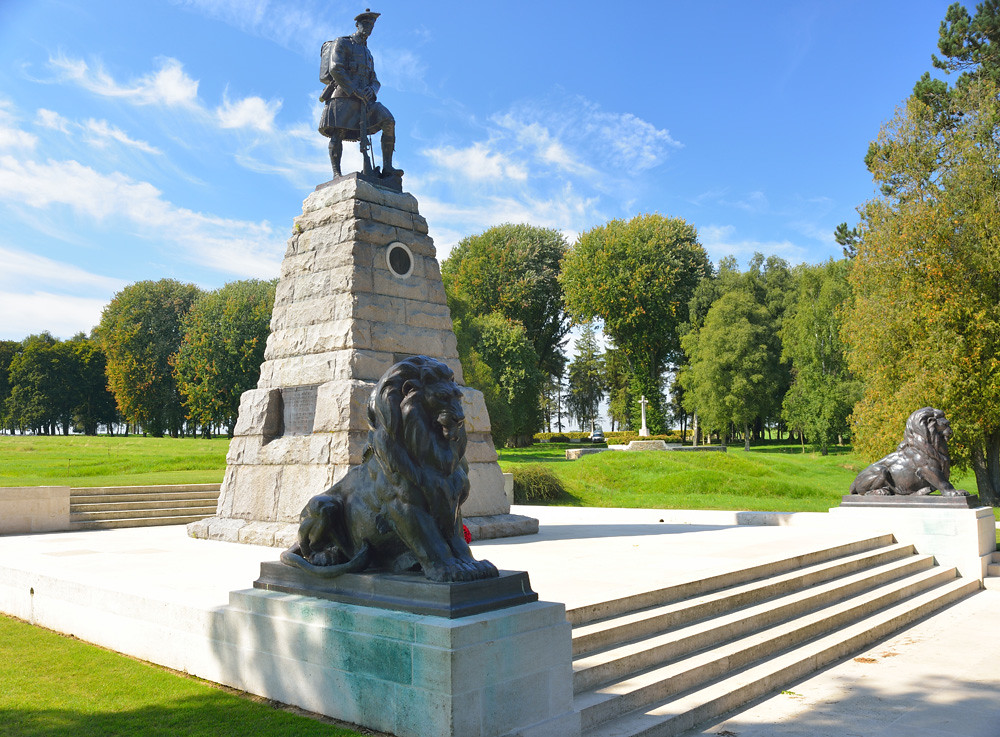
Scottish memorial site within the park, close to the trenches.
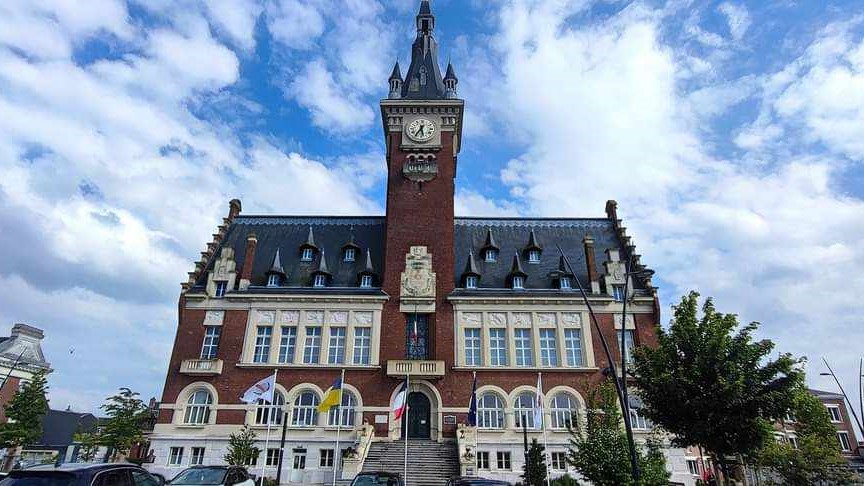
Reconstruction-era architecture; the starting point for an Art Deco walk around the town.
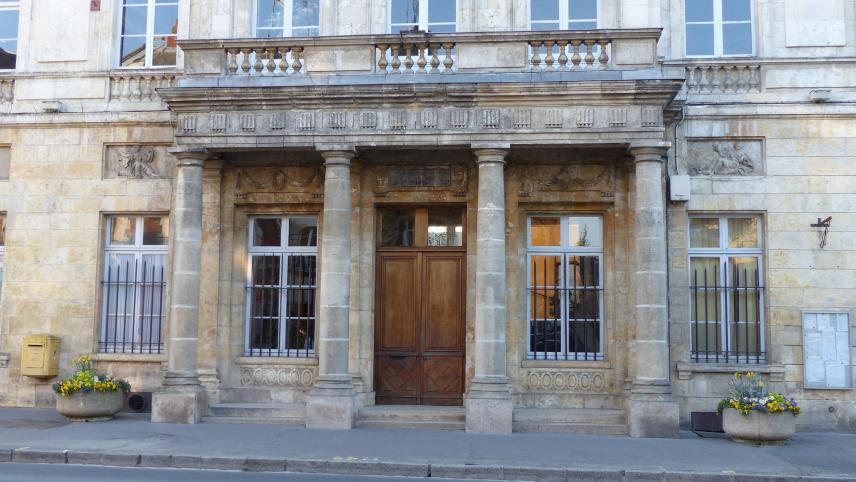
Officially recognised municipal museum (Musée de France): archaeology, coins, history and fine arts, in the town hall.
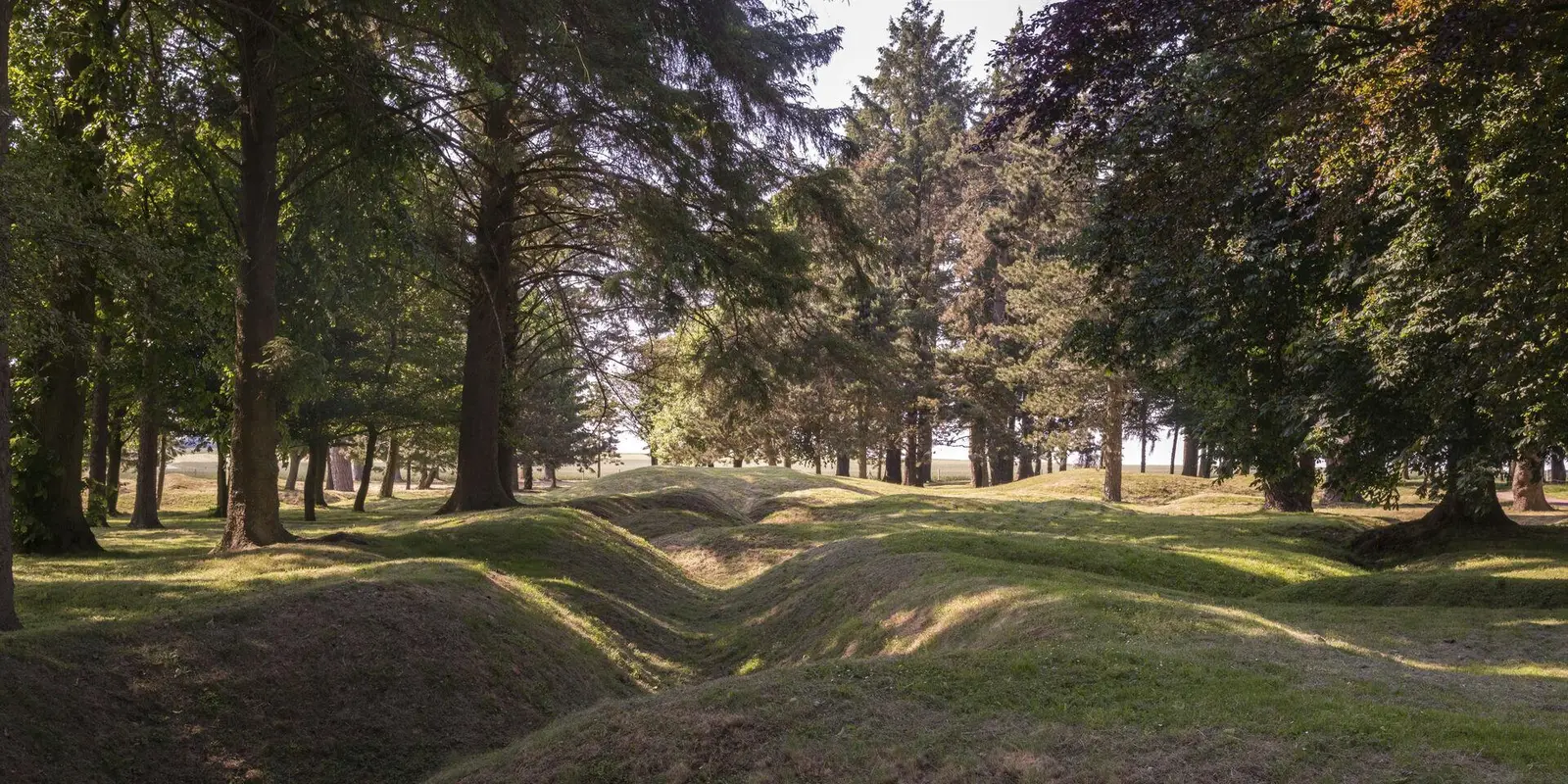
Rolling wetland landscapes where nature and remembrance meet.
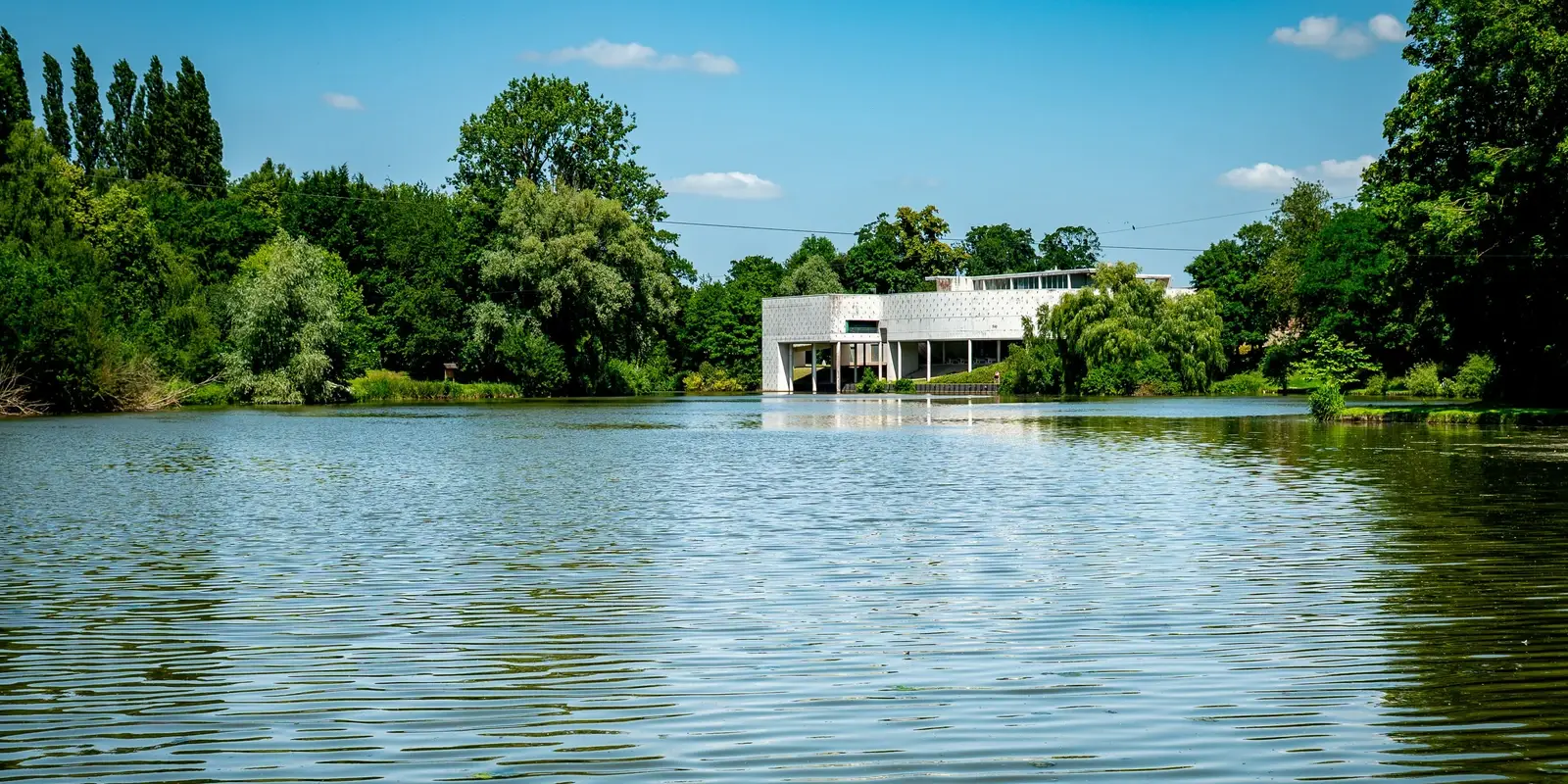
Leisure activities around the Cam lake, including a treetop adventure course and a giant zip line, subject to opening conditions.
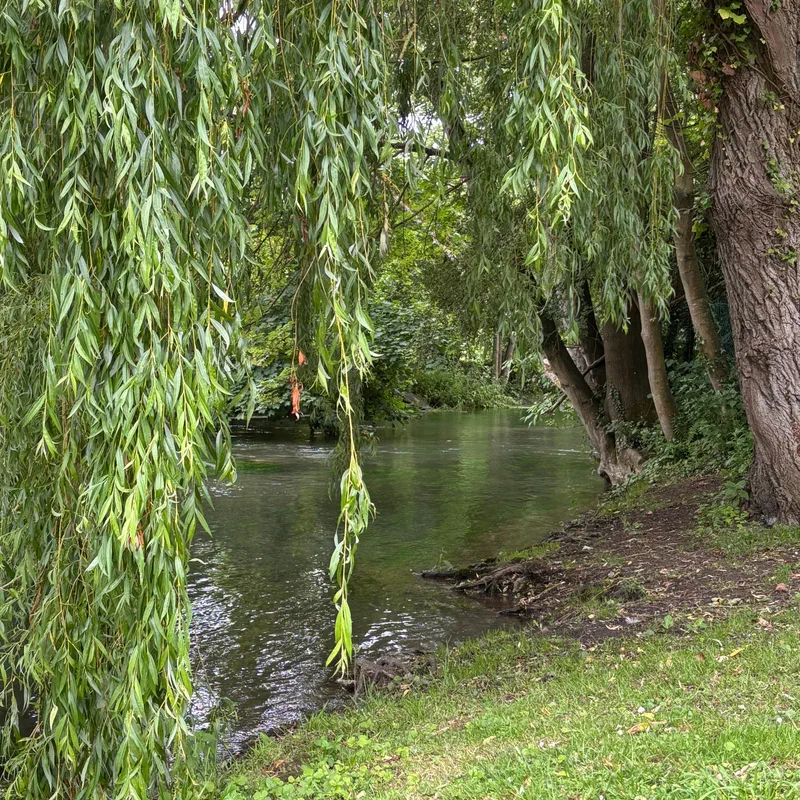
Woodland still marked by trenches and remains from the Great War; good for walking and for reading the landscape.
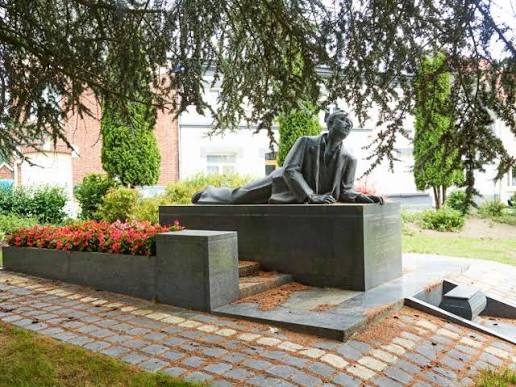
Group of memorials linked to the Resistance, to past conflicts and to local aviation history.
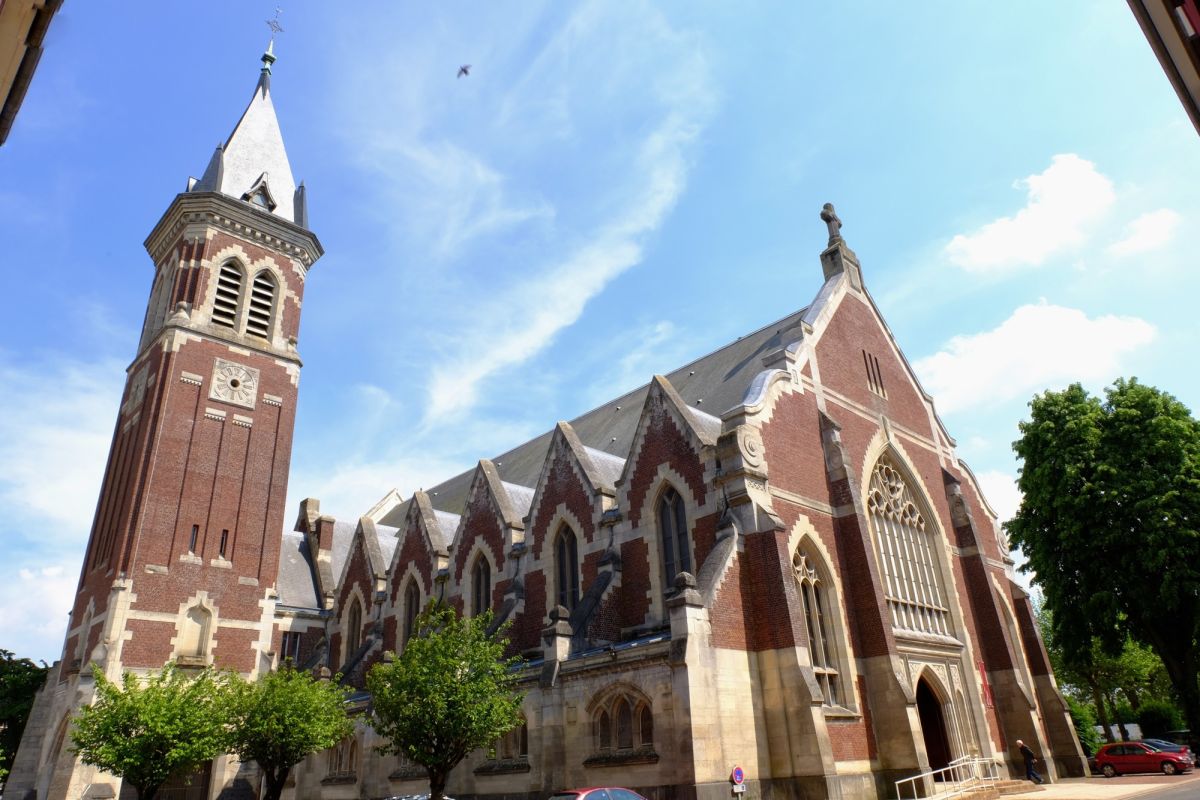
Rebuilt church and part of the town’s religious heritage.
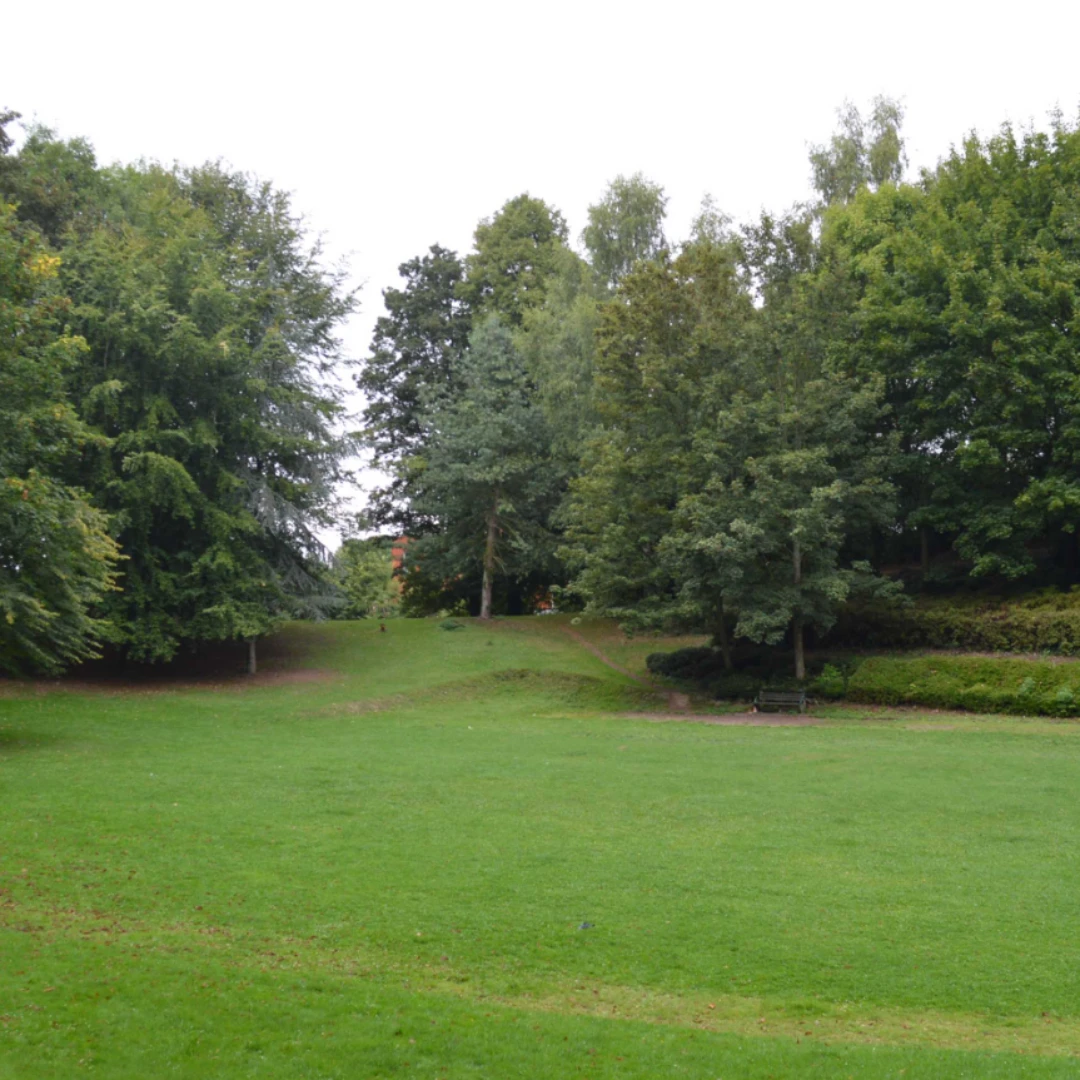
Former fortified site; the tunnels of the Dauphin and Reyne bastions form remarkable underground heritage, open on scheduled dates.
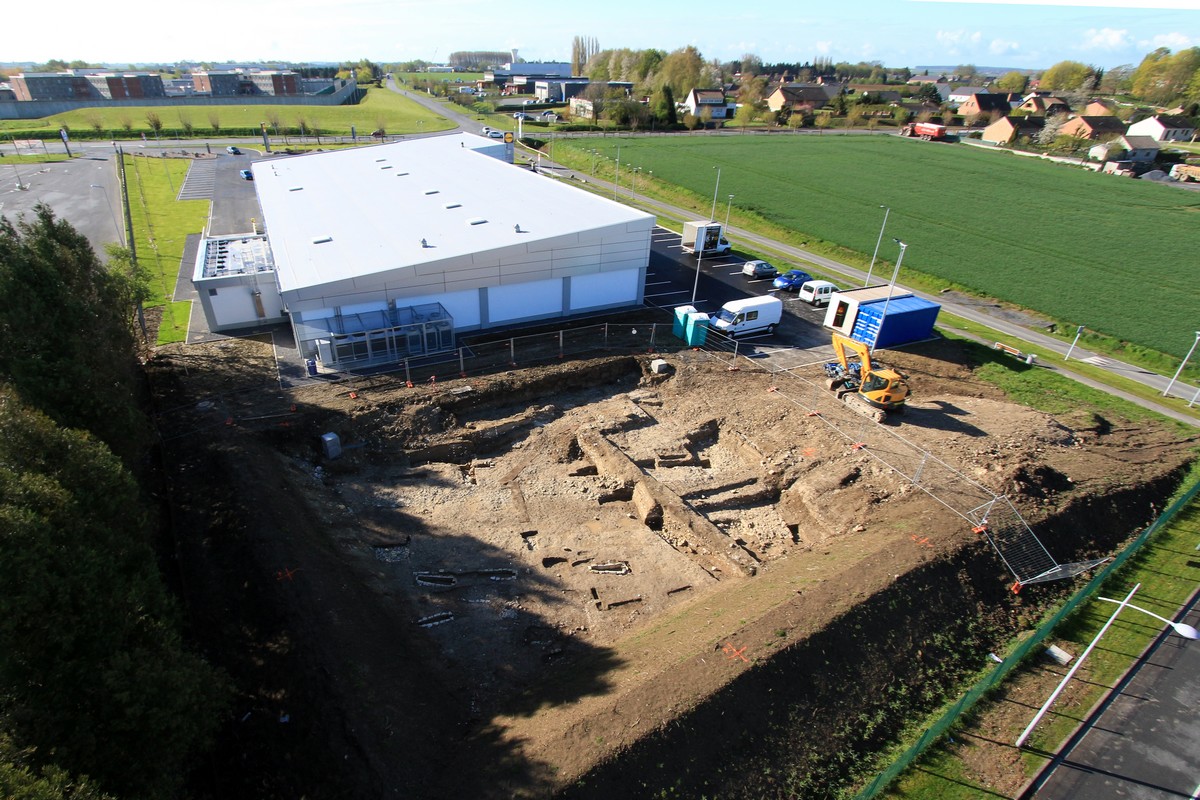
Archaeological remains of the former priory, uncovered and displayed in the town centre.
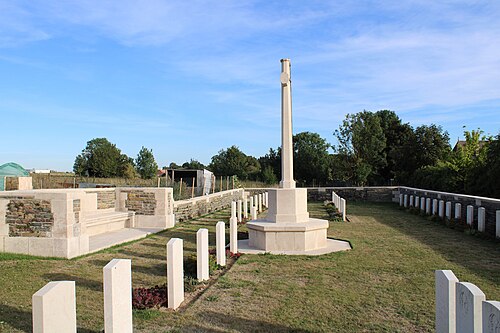
Australian place of remembrance, listed among the town’s notable sites.
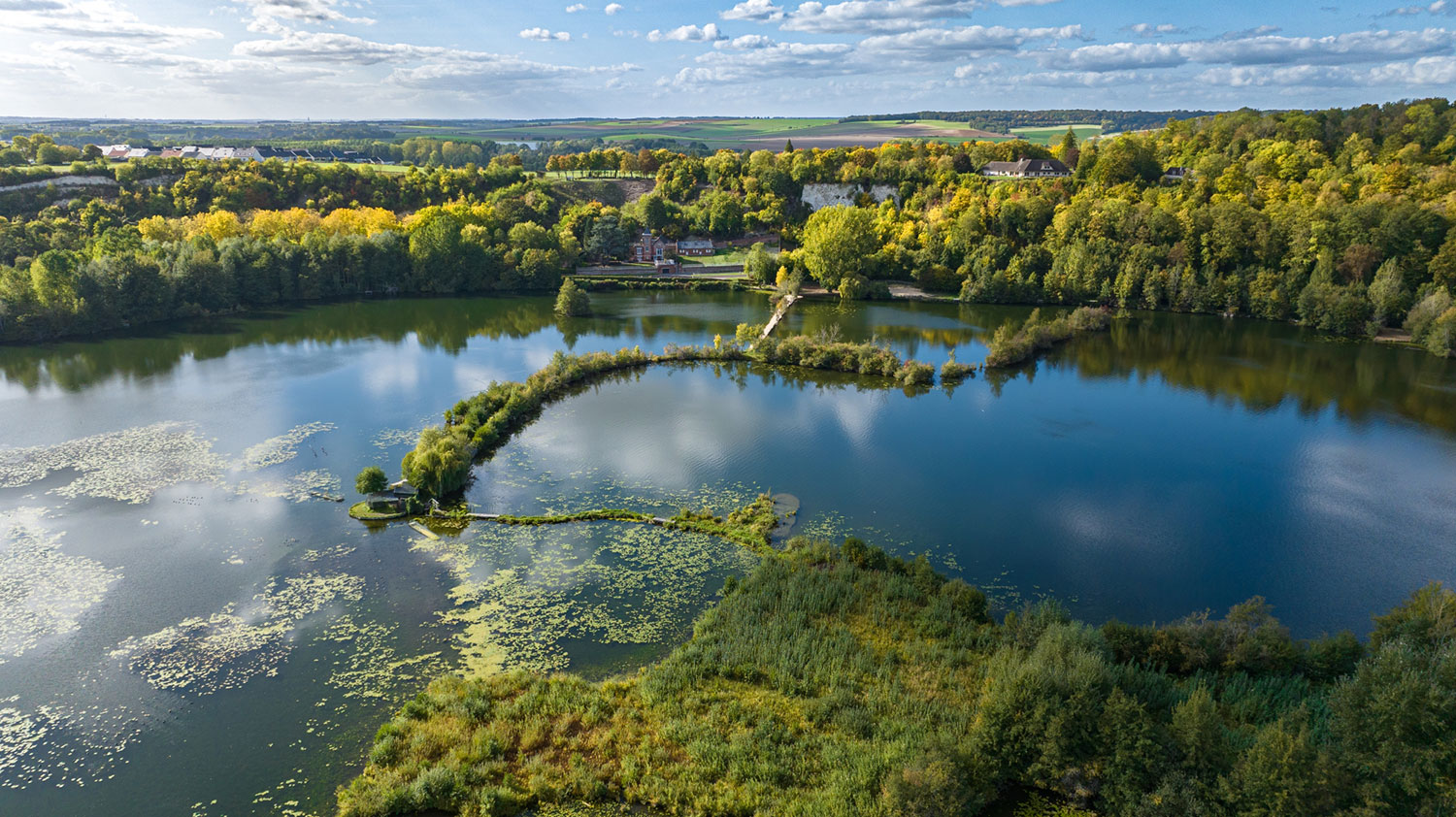
Protected Natura 2000 natural area with trails, a viewpoint and accessible facilities — just beyond 25 km, listed under “Nearby”.
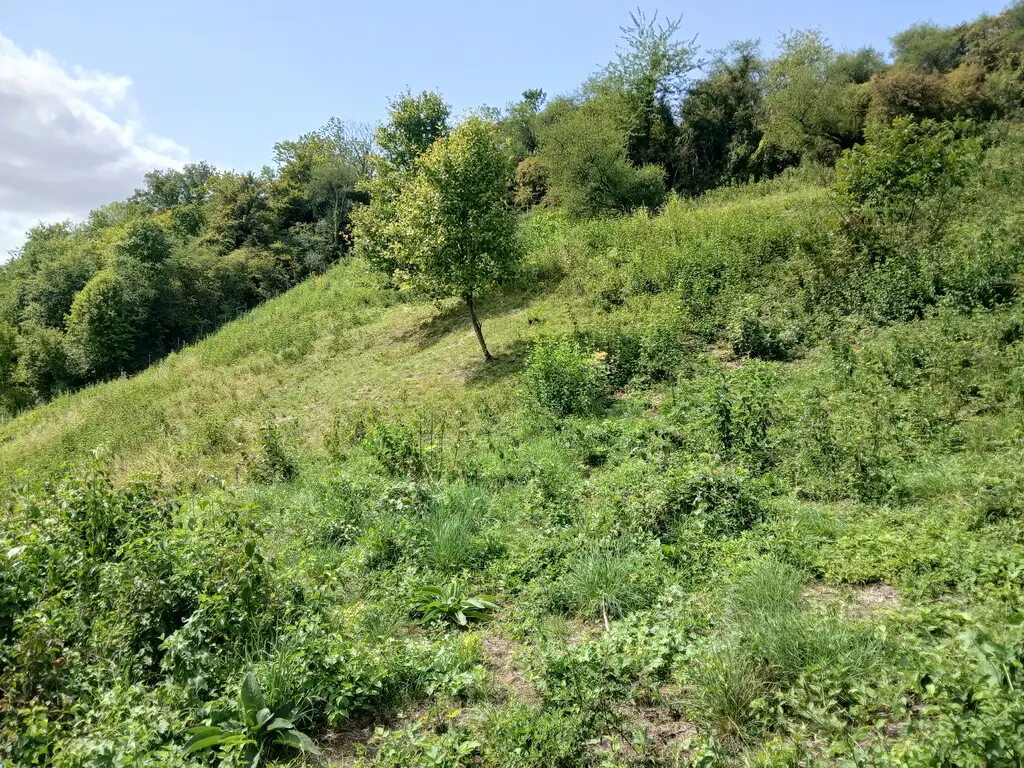
Natura 2000 hillside with chalk grassland and remarkable biodiversity.
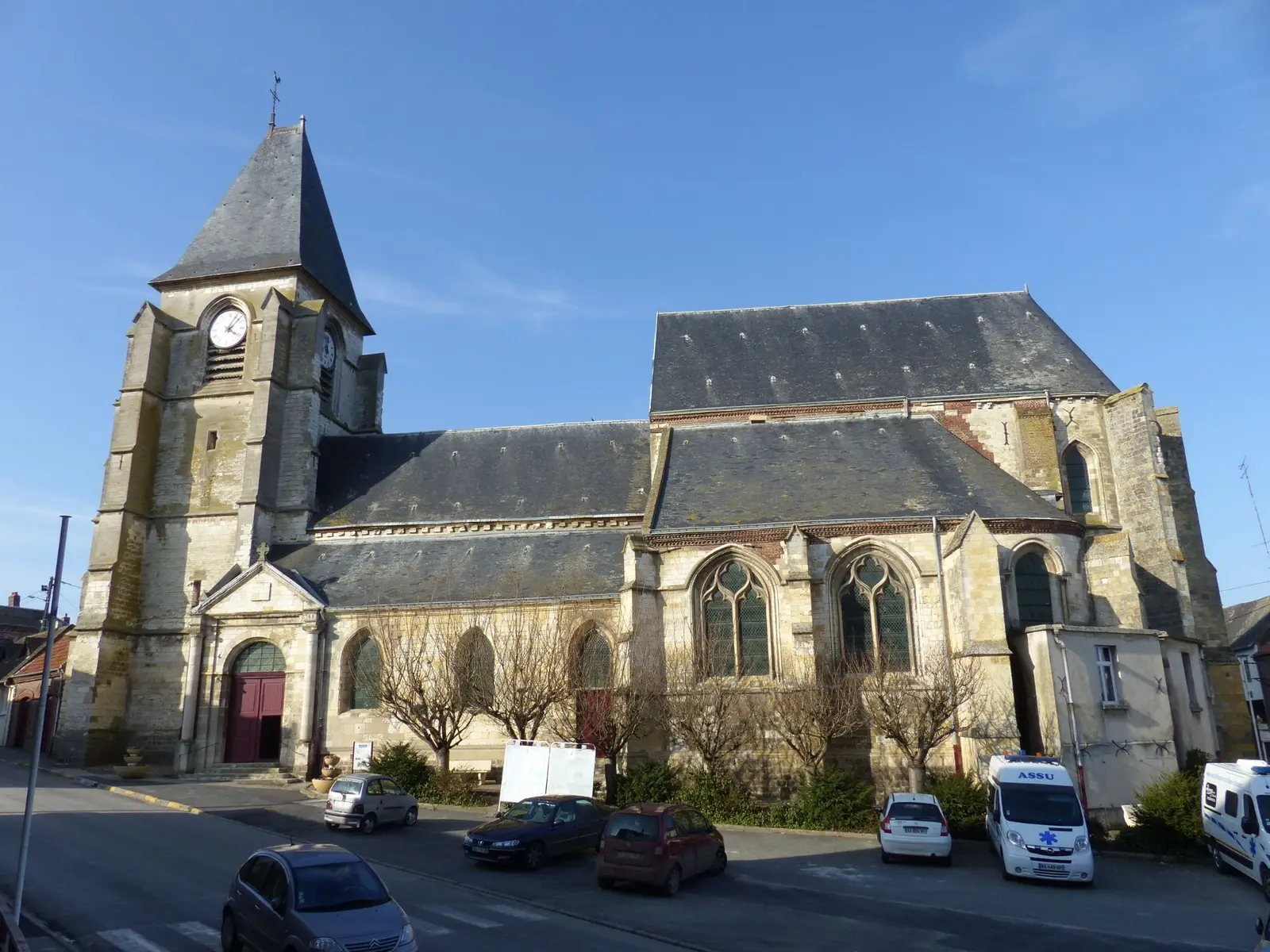
Old church listed as a historic monument; can be combined with the museum and the chalk grassland.
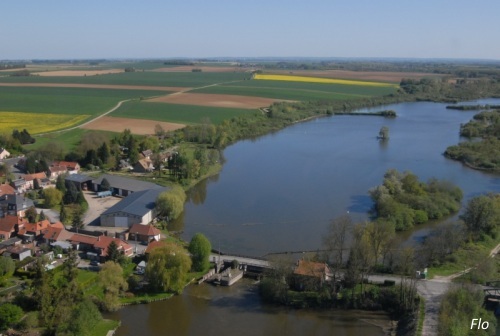
Walks, fishing and a relaxed valley atmosphere around the lakes and the harbour.
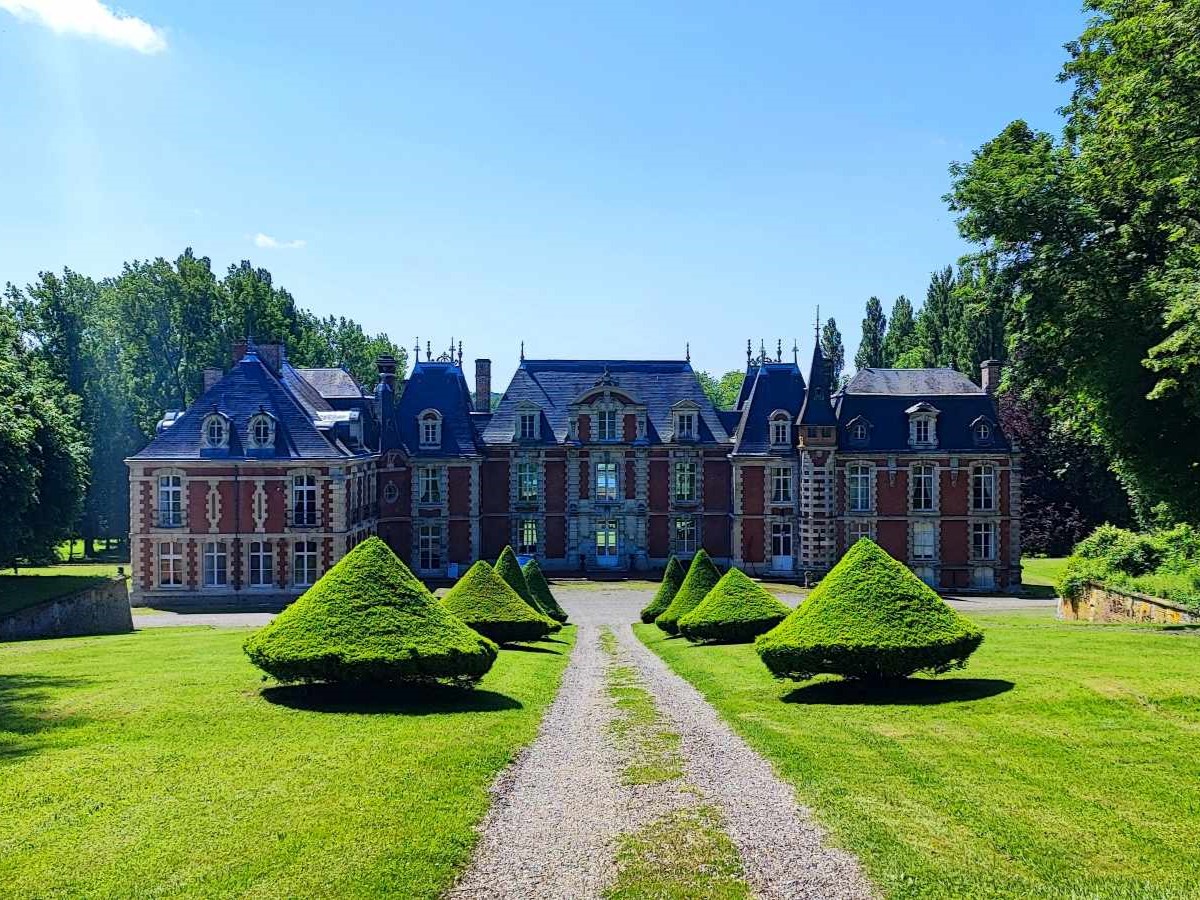
Museum of local history and the Great War, in the centre of the village.
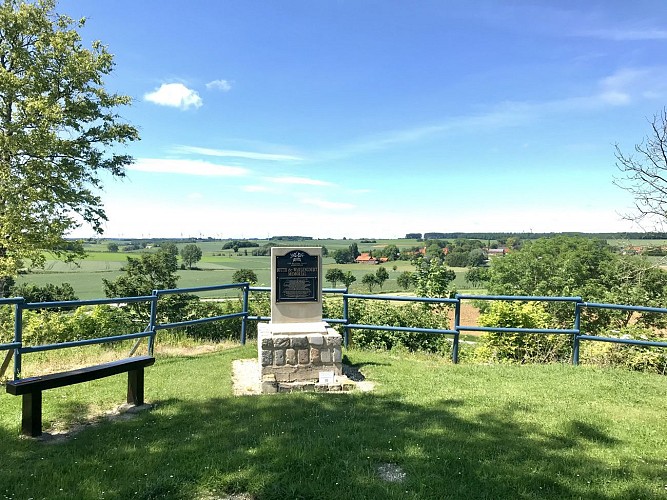
A walk combining rural scenery and the memory of the battlefield.
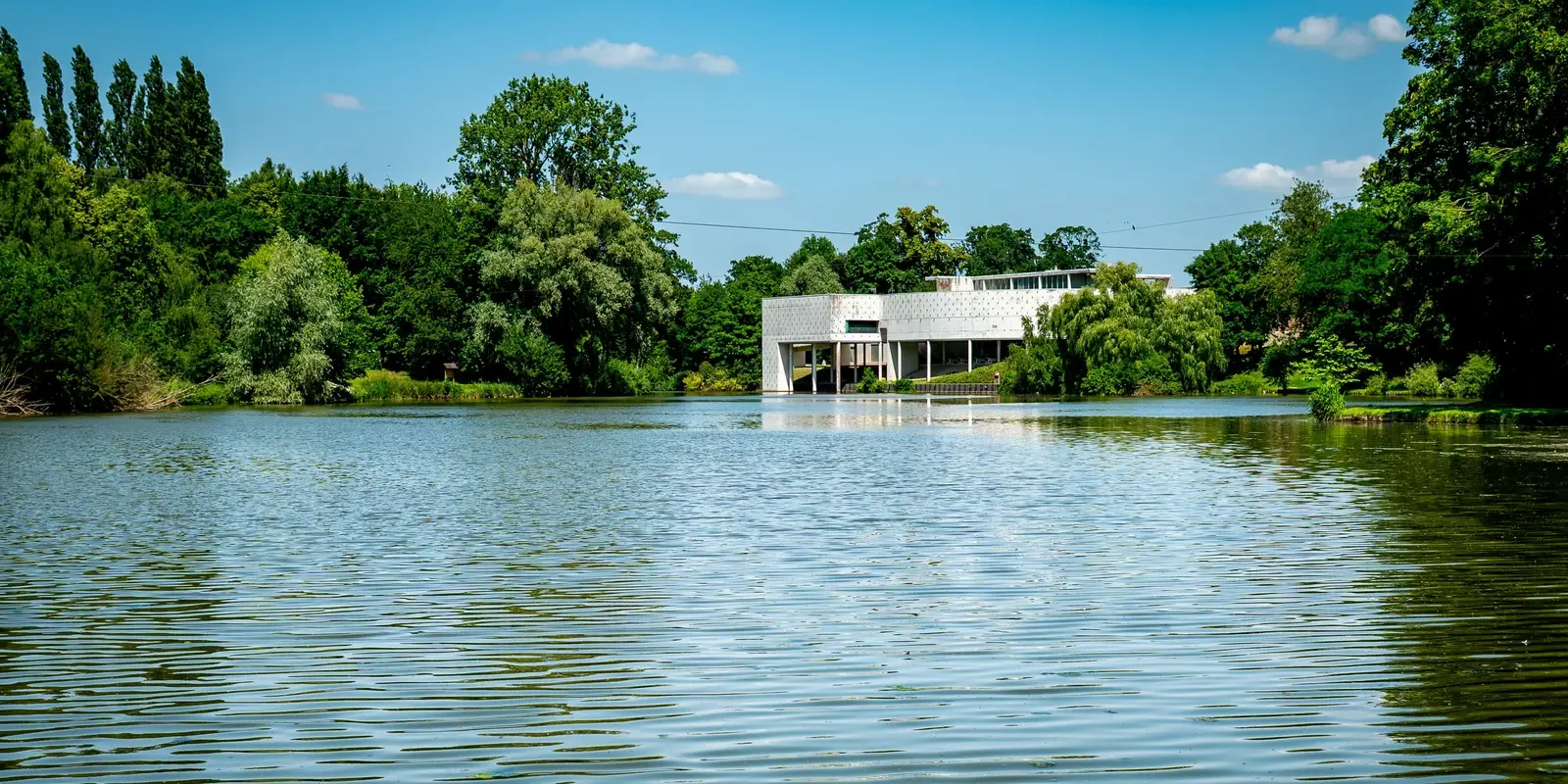
Large green space around the lake in town, ideal for walks, picnics and leisure.
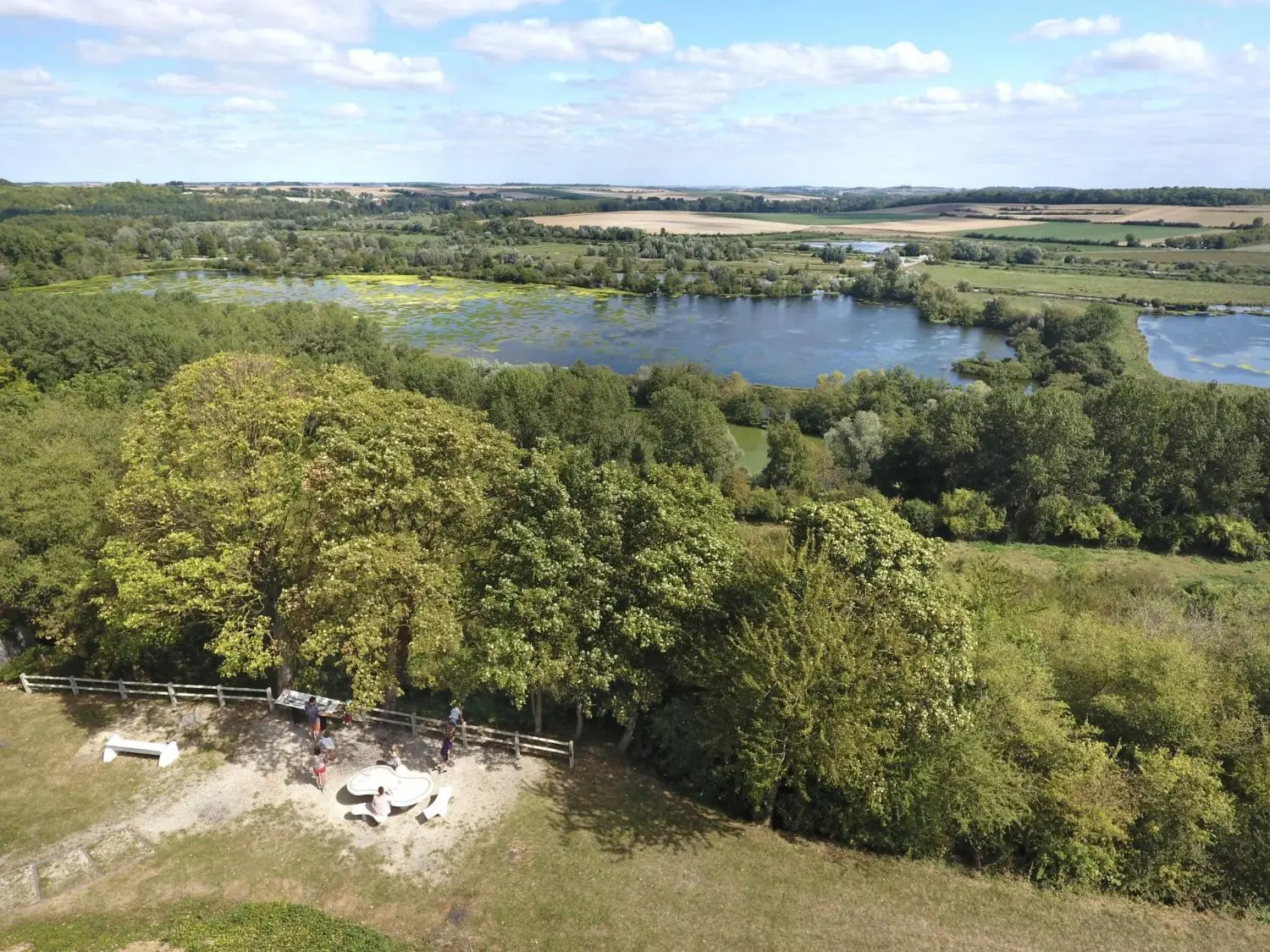
Viewing platform overlooking the Méricourt-sur-Somme marshes and the valley.
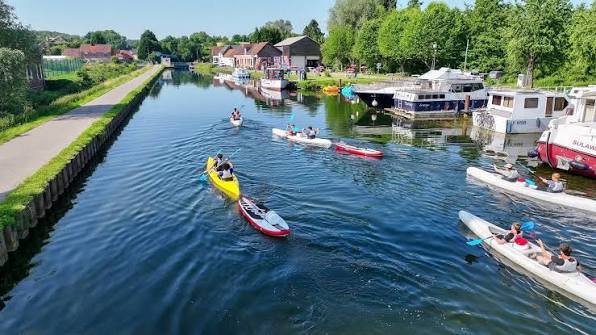
River stop, walks, canal scenery and a base for outdoor activities depending on the season.
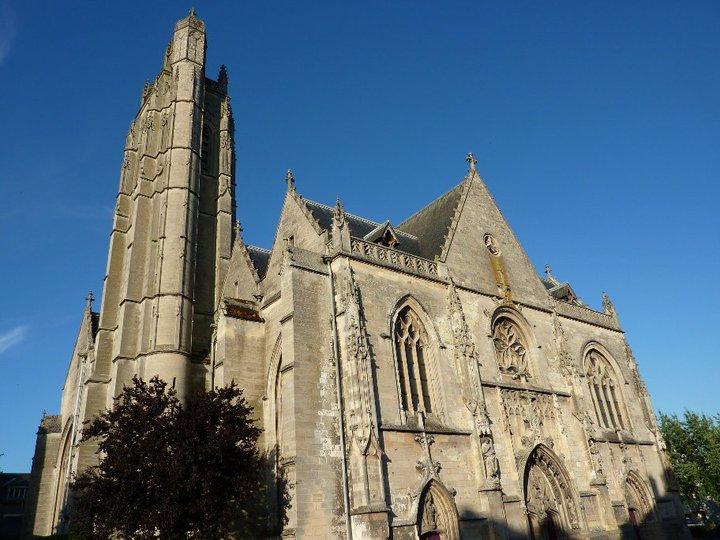
Flamboyant Gothic church, rebuilt after the destruction of the Great War.
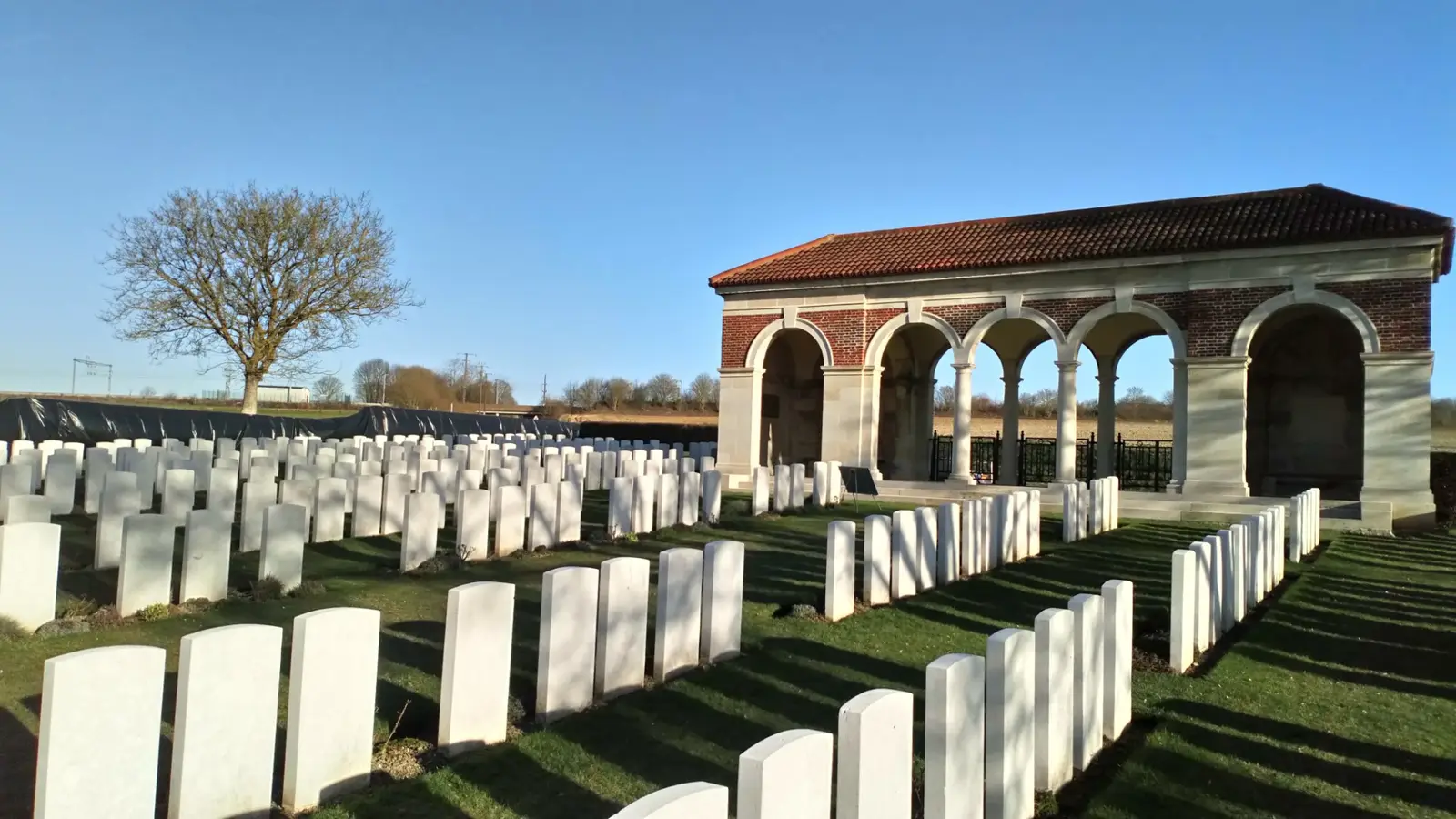
Commonwealth war cemetery linked to the fighting around Combles.
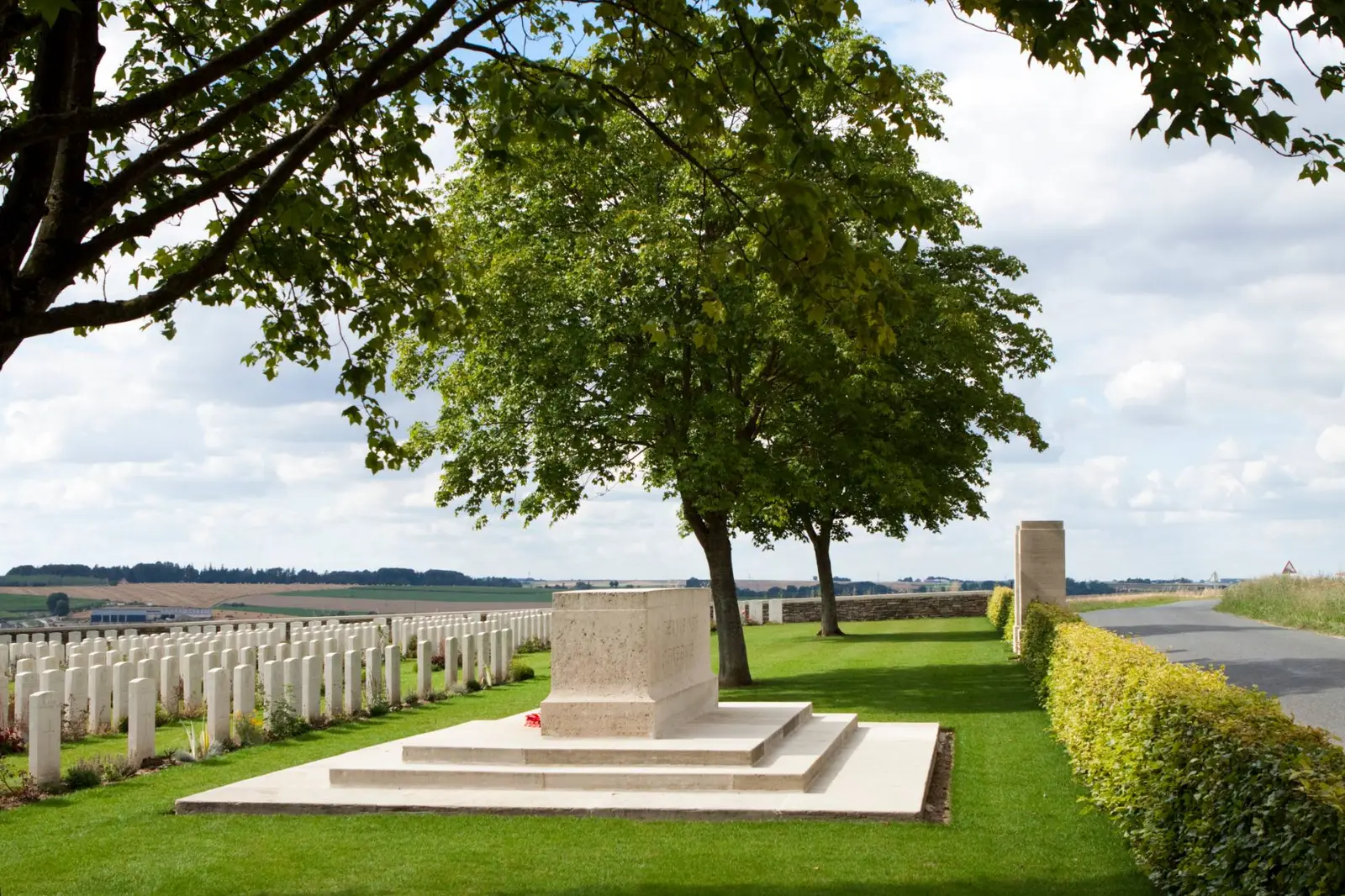
Military cemetery in the Ancre sector, well worth a visit alongside the Thiepval memorial sites.
Scottish memorial linked in particular to McCrae’s Battalion.
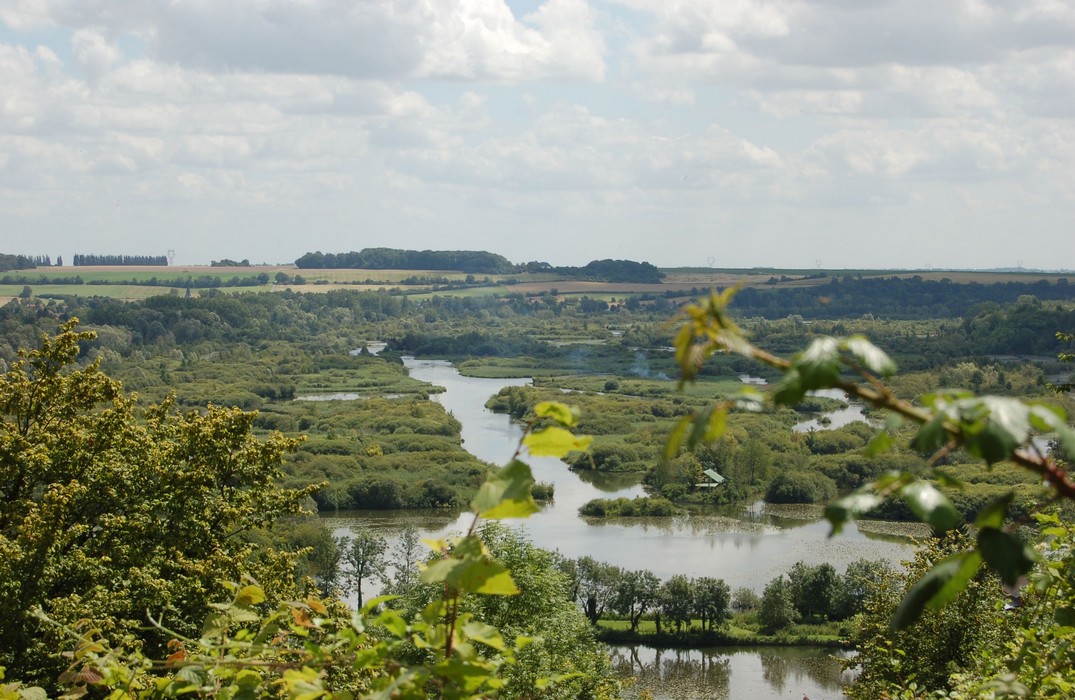
Protected natural area among the lakes of the causeway dam: open water, wet woodland and reed beds.
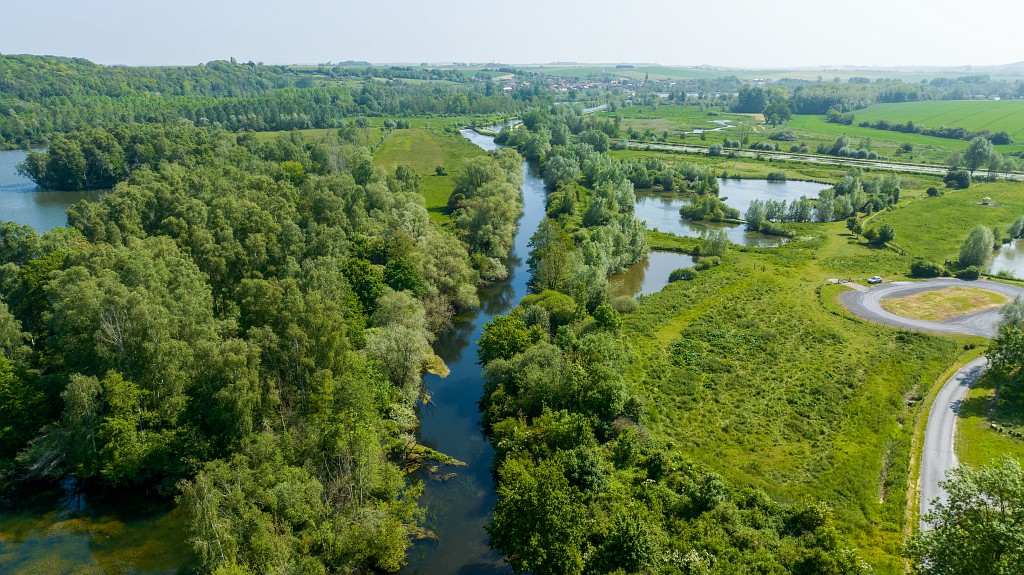
Outstanding wetland landscapes of the Somme valley; an area covered by conservation projects.
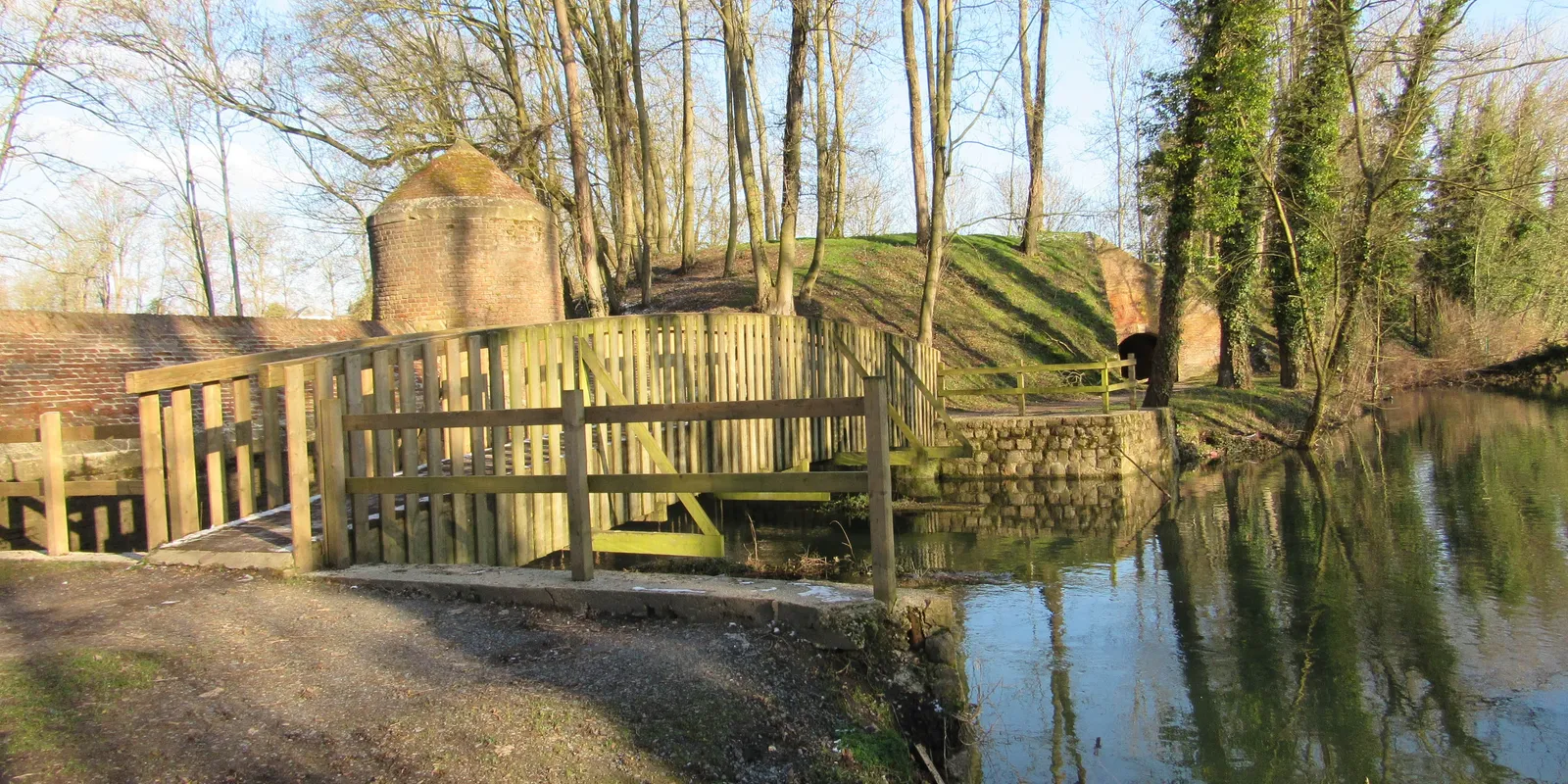
A reminder of Péronne’s military and fortified history.
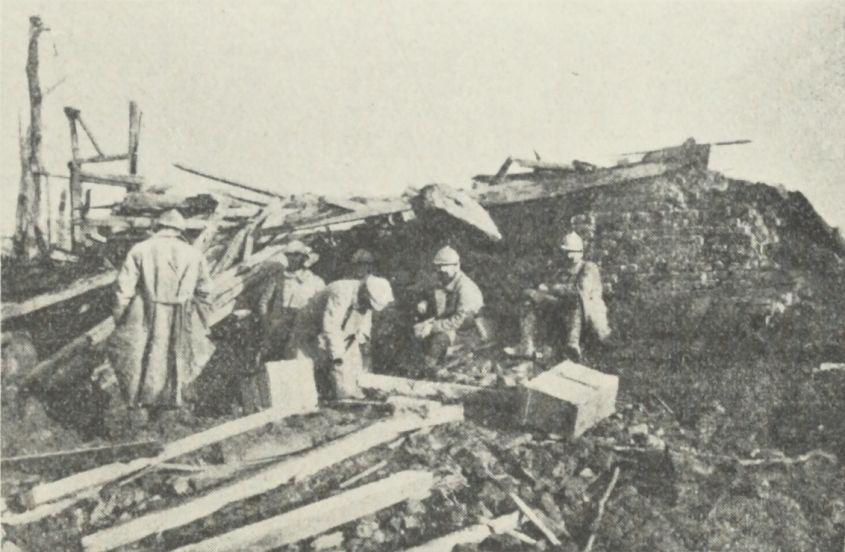
Former commune now part of Combles, destroyed during the Great War and never rebuilt. A memorial was unveiled in 2011.
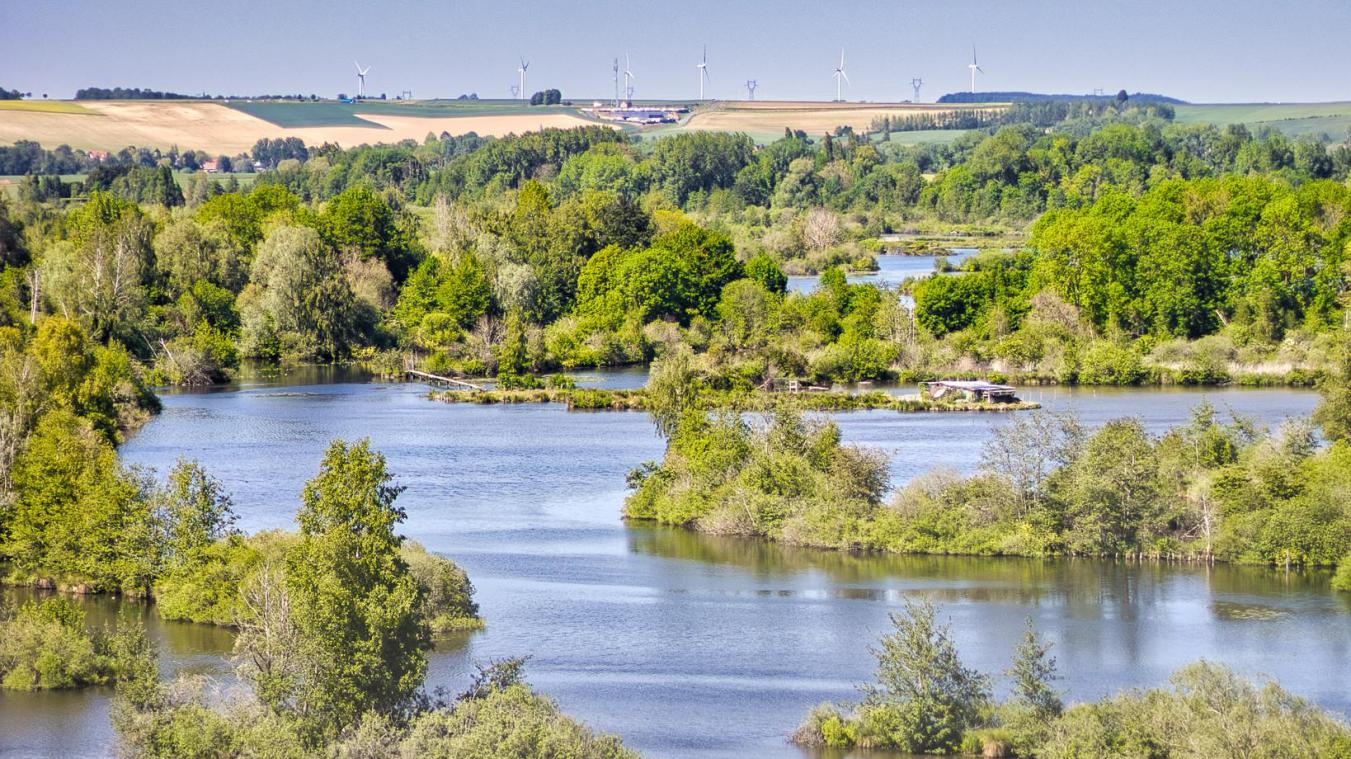
Chalk grassland habitats and nature walks on the valley slopes.
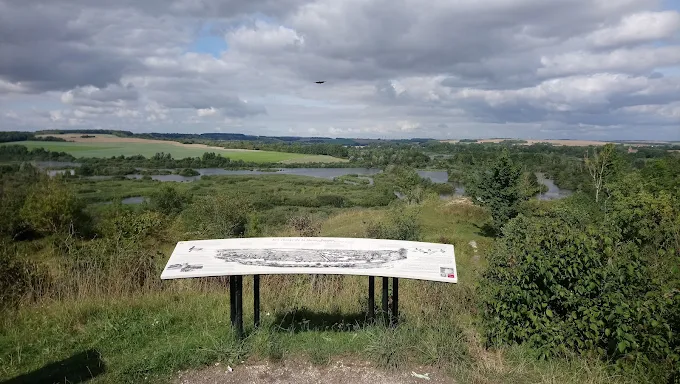
Chalk hillsides overlooking the lakes of the Upper Somme. The site is associated with Blaise Cendrars and the Great War.
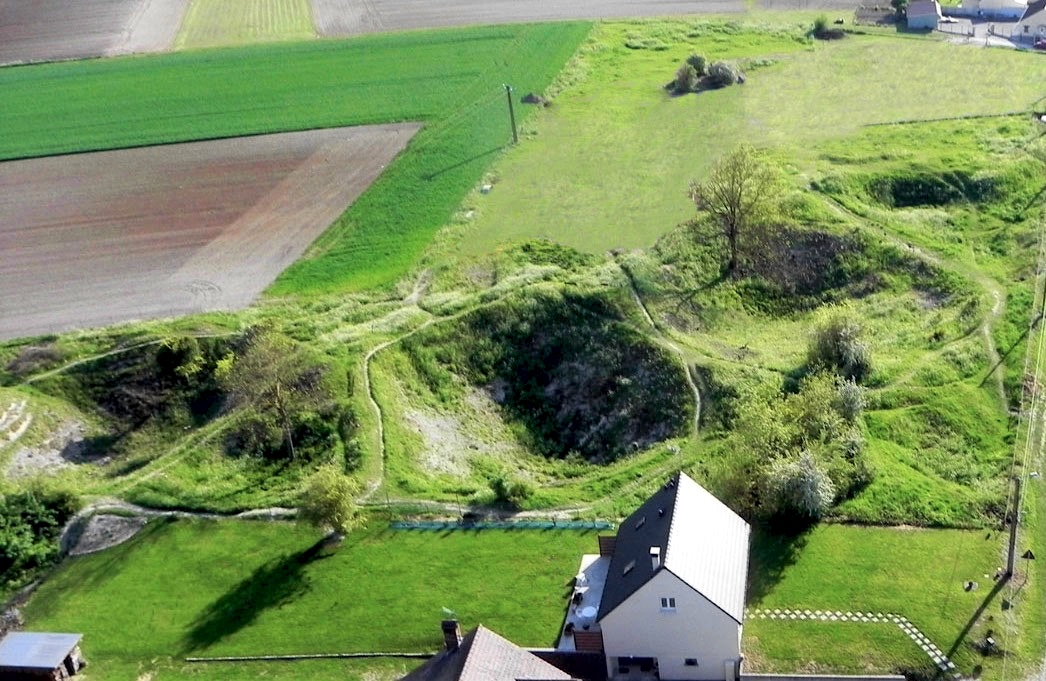
Historic site of mine and trench warfare; access to some areas is by guided visit only.
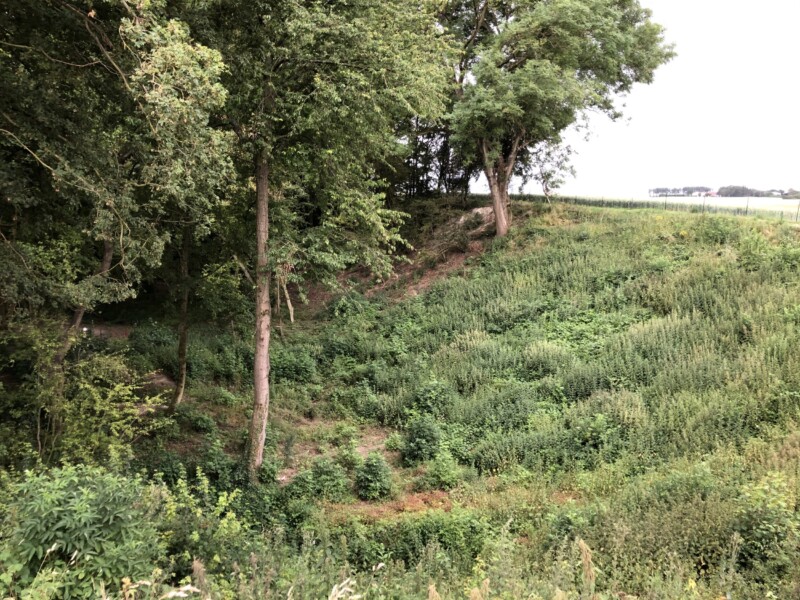
Mine crater linked to the attack of 1 July 1916, a landmark of mine warfare.
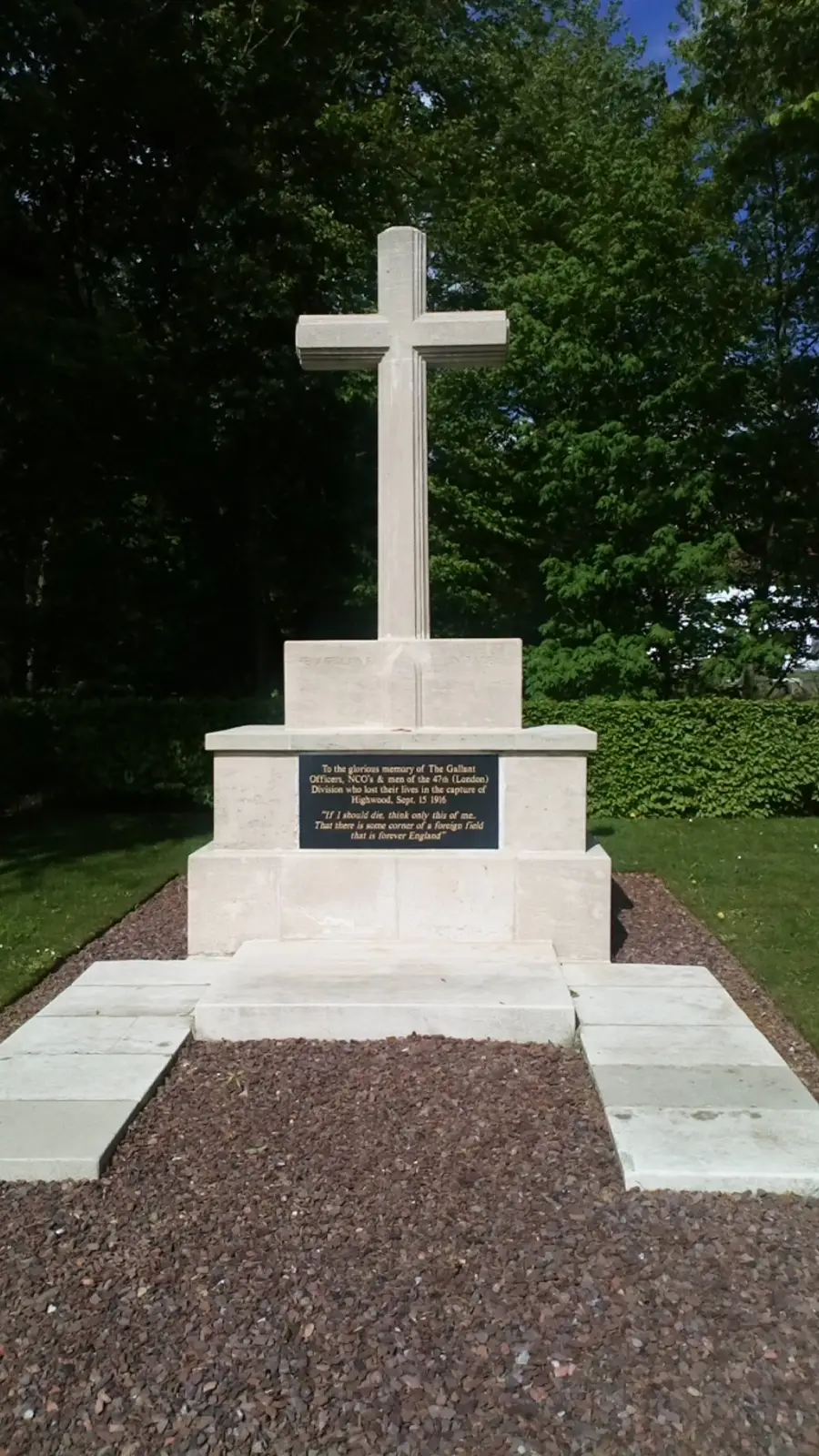
Iconic battlefield of September 1916, linked to the nearby memorials and to the first use of tanks.
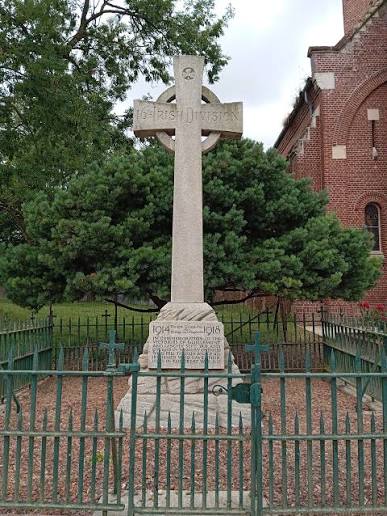
Memorial cross dedicated to the 16th (Irish) Division.
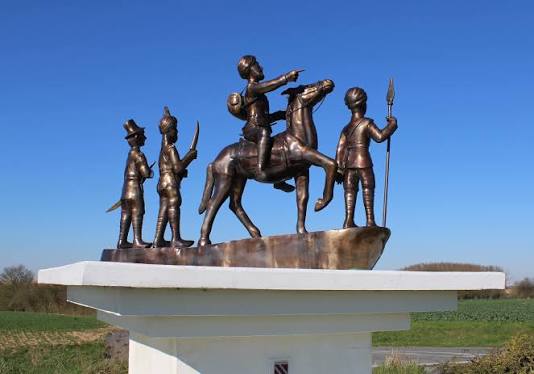
Memorial to the Indian troops of the British Empire who fought in the Battle of the Somme.
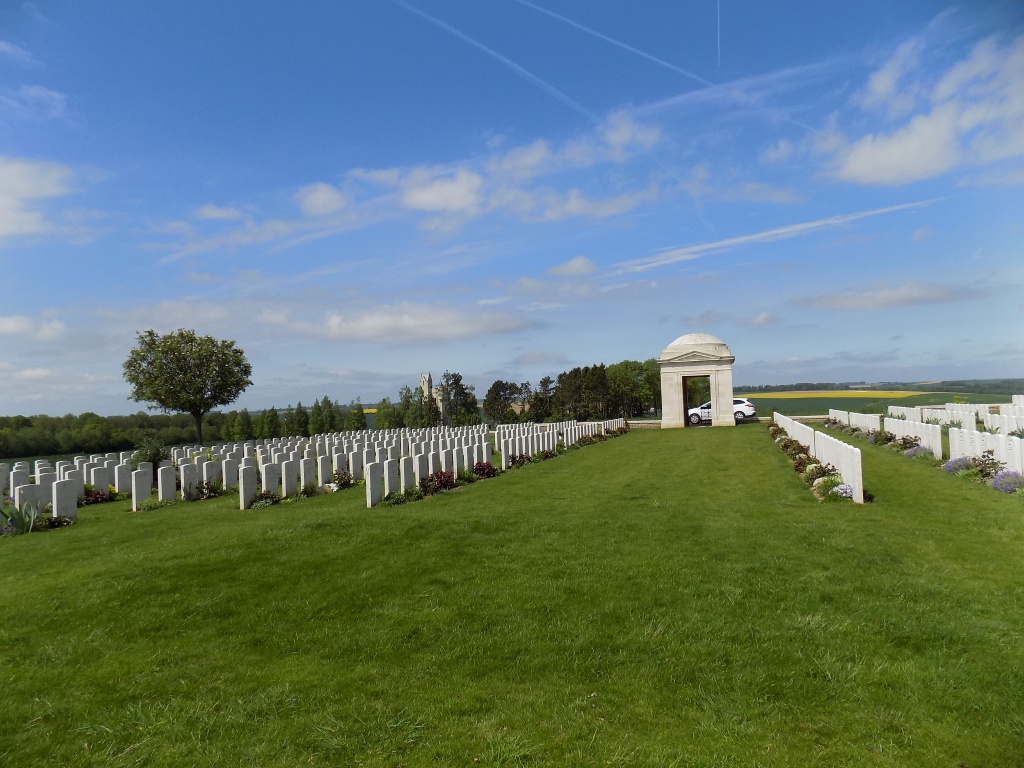
Commonwealth cemetery known for the headstones in its Plot I, laid flat because of ground subsidence.
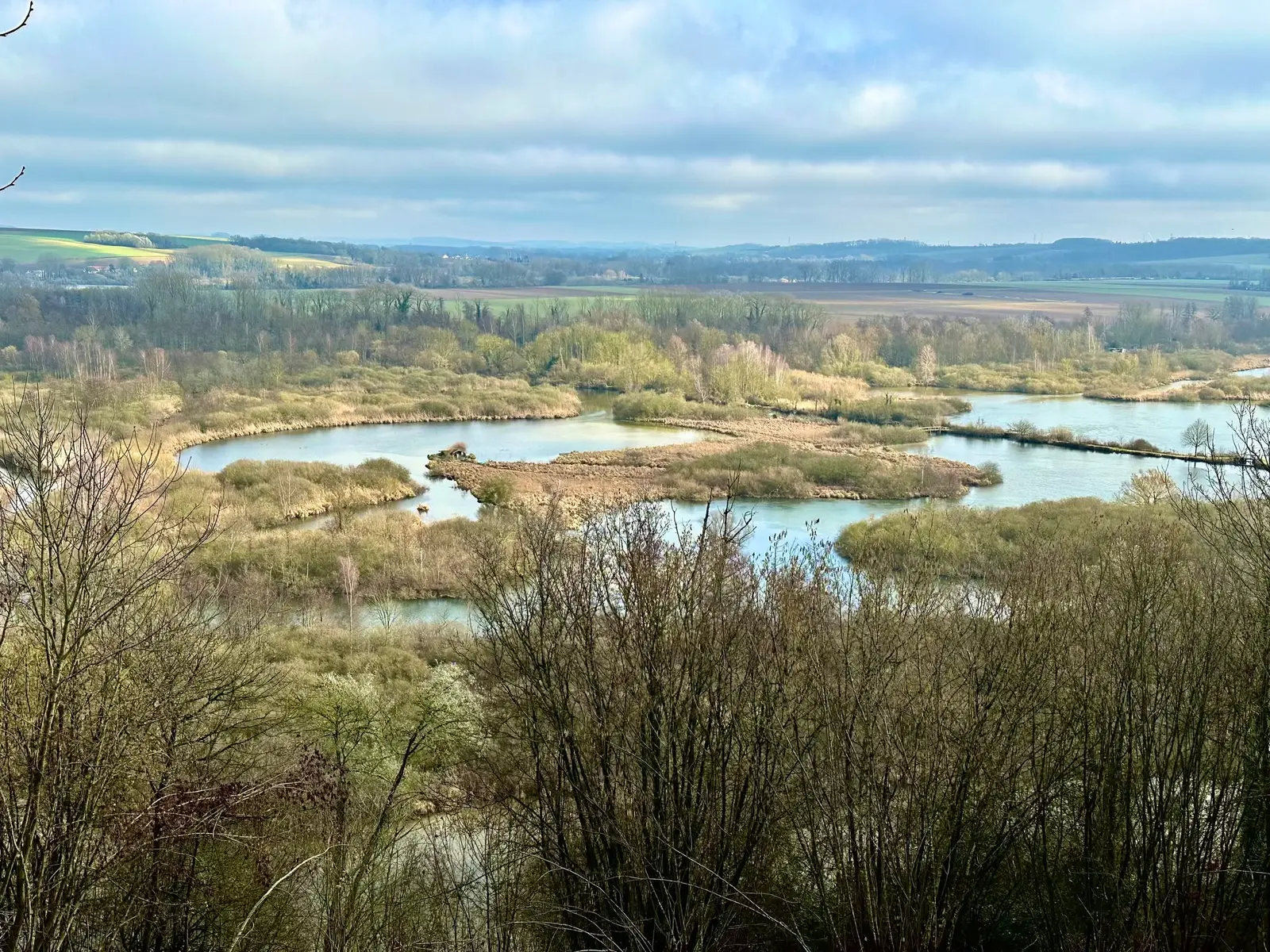
One of the finest views over the meanders, lakes and marshes of the Upper Somme.

Collection devoted to industry and aviation, with many aircraft and historic exhibits.
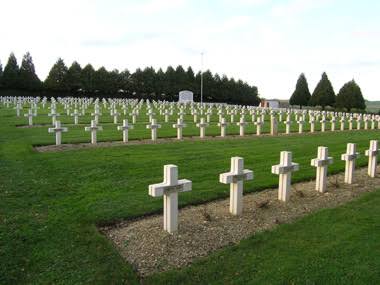
National cemetery linked to the fighting and to the military hospitals of the Great War.
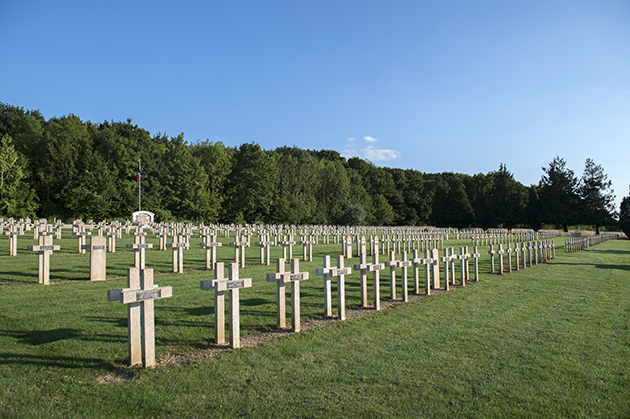
French place of remembrance, easily combined with a visit to the Cléry lakes.
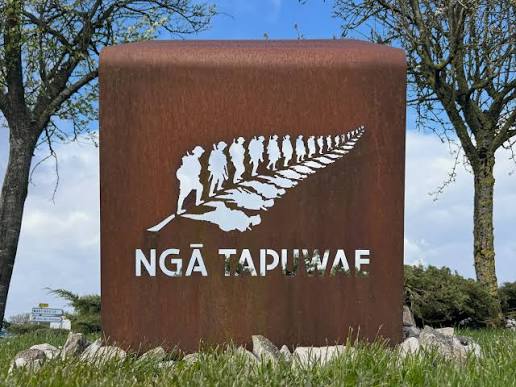
Flers is associated with the New Zealand advance of 15 September 1916 and the first appearance of tanks on the battlefield.
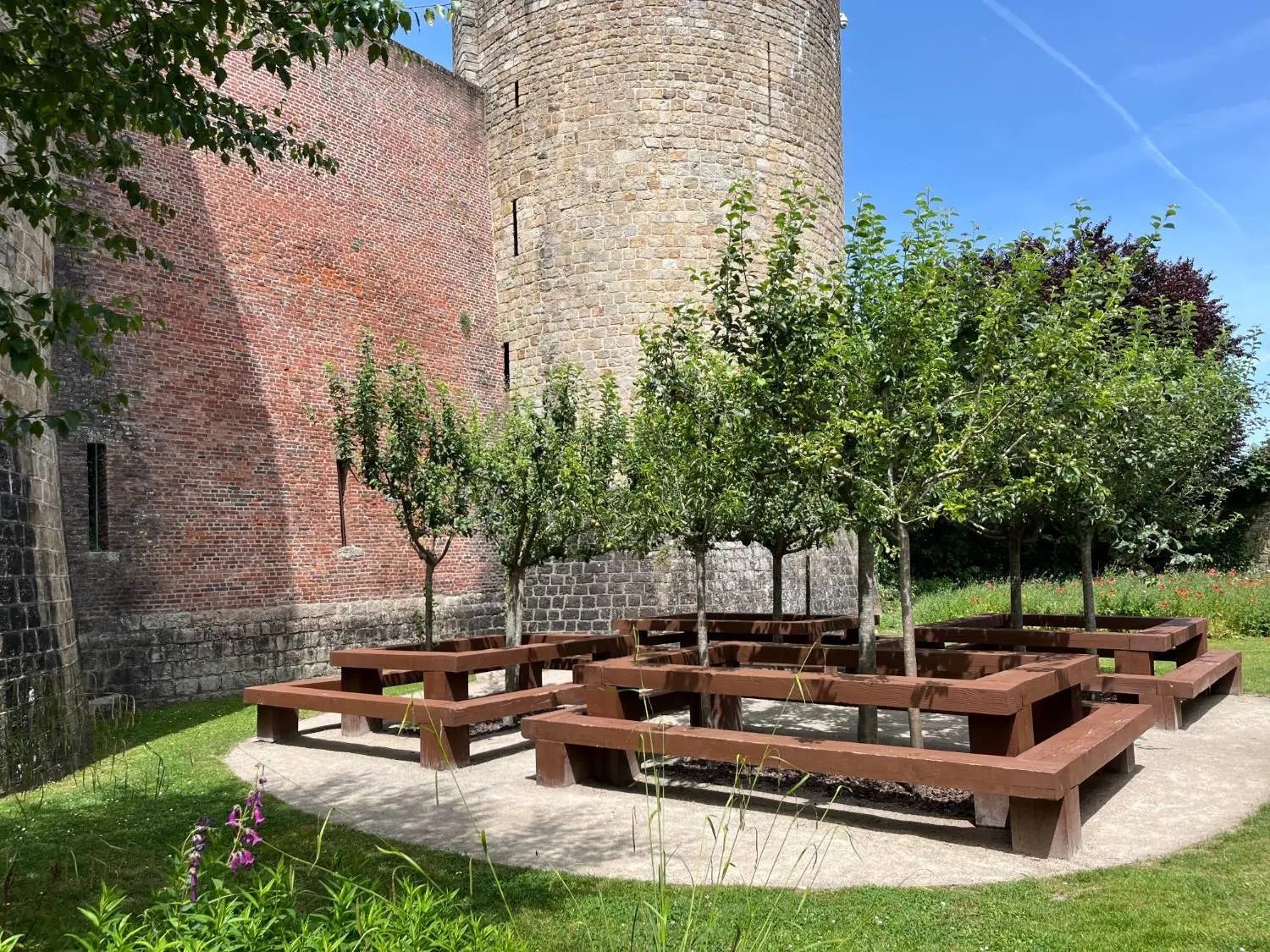
Landscaped garden devoted to remembrance and peace, a pleasant addition to the Péronne town trail.
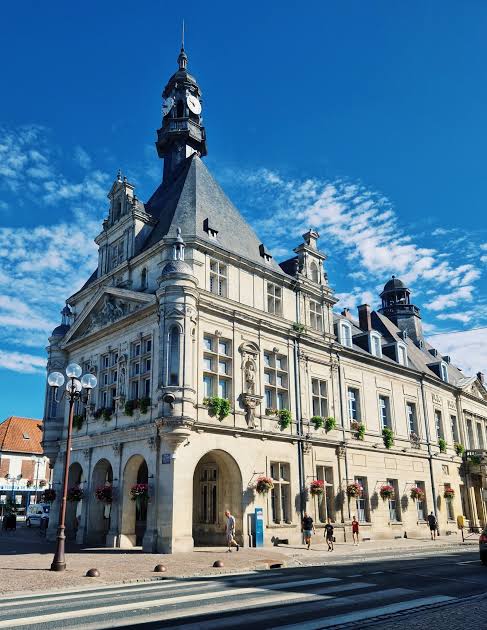
Urban heritage and home of the Alfred-Danicourt Museum.
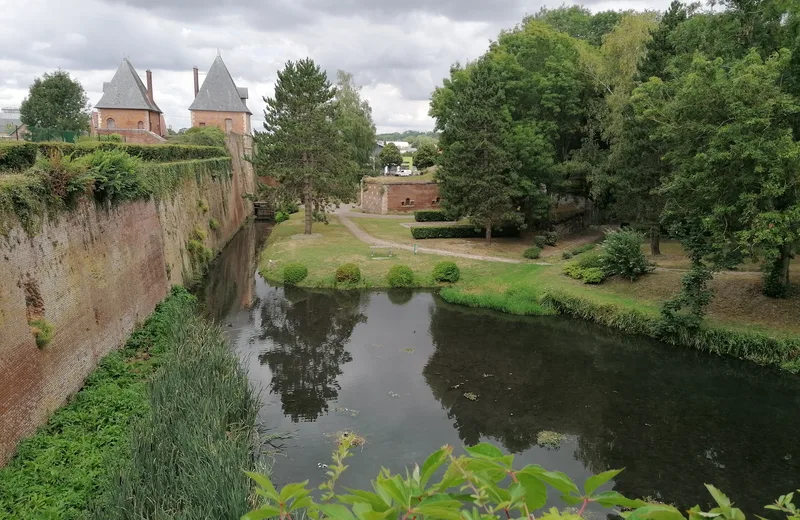
Town walk linking the castle, ramparts, Porte de Bretagne, church, town hall and Reconstruction architecture.
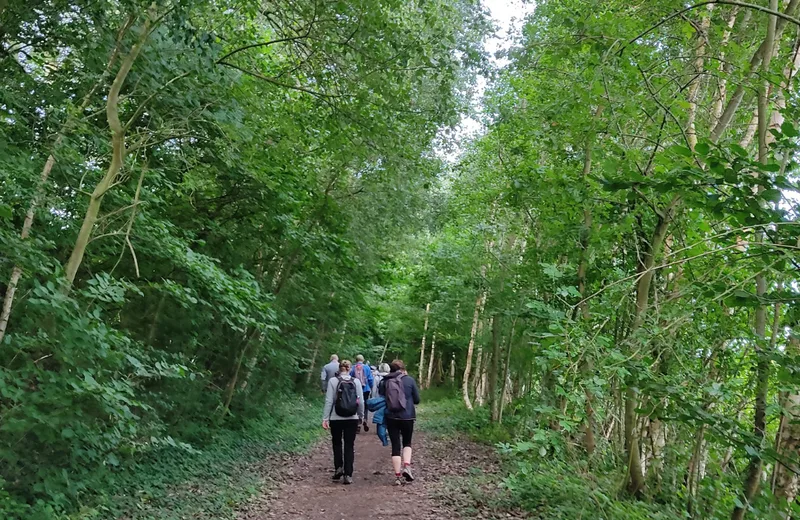
Former railway line turned into a walking and cycling path.
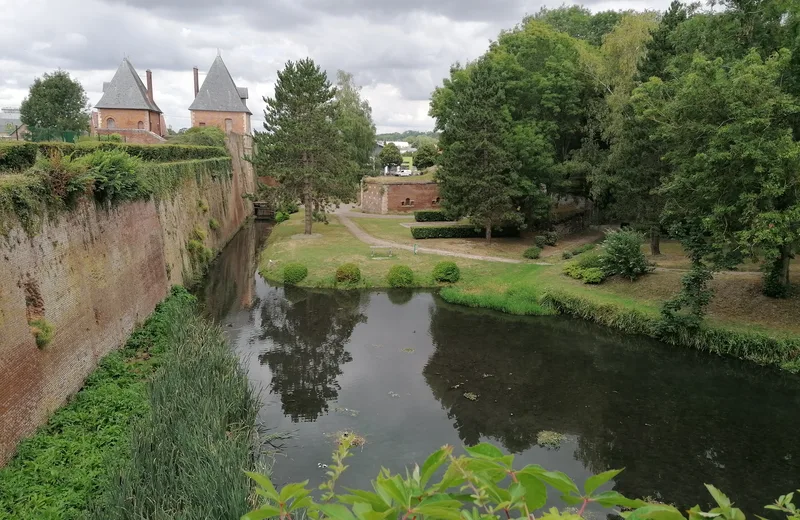
Major remains of Péronne’s past as a fortified town.
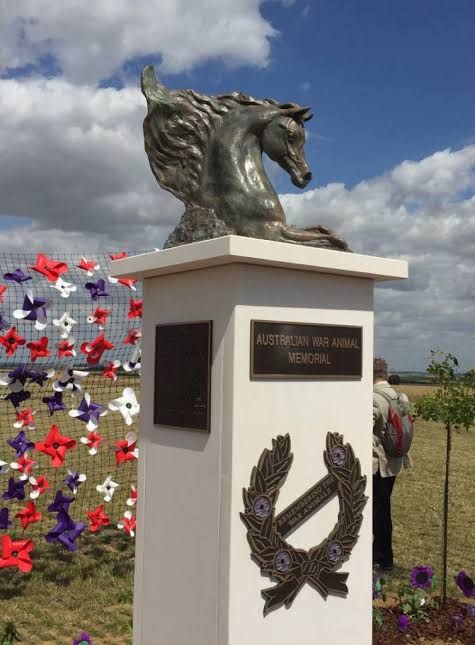
Memorial to the animals that served and died in the war — an original and educational visit for families.
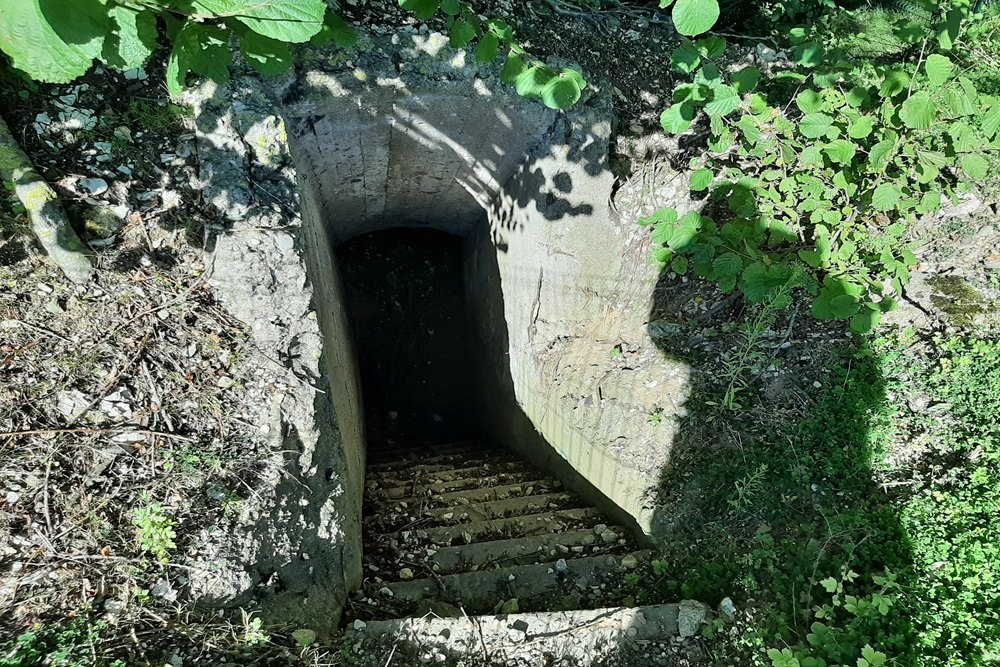
Remains of a German fortification linked to the Australian fighting.
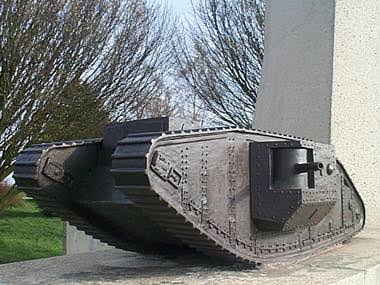
Memorial to the first tanks used on the Somme.
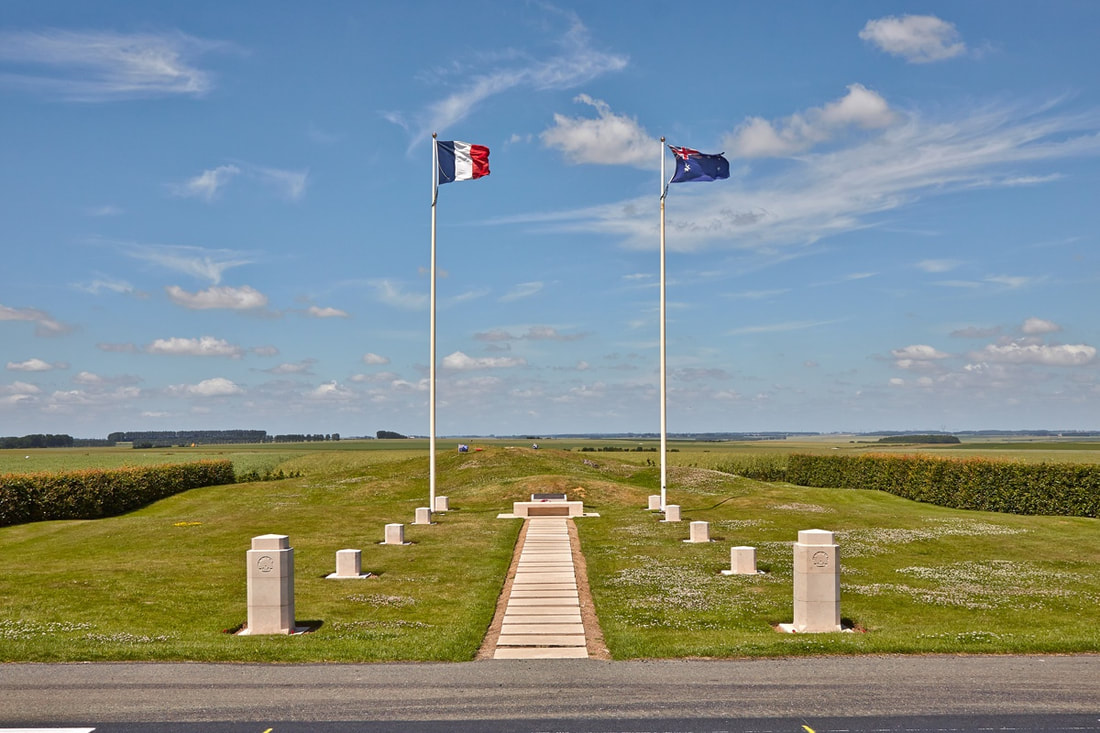
Site of the old windmill, an Australian place of remembrance with a good view over the battlefield.
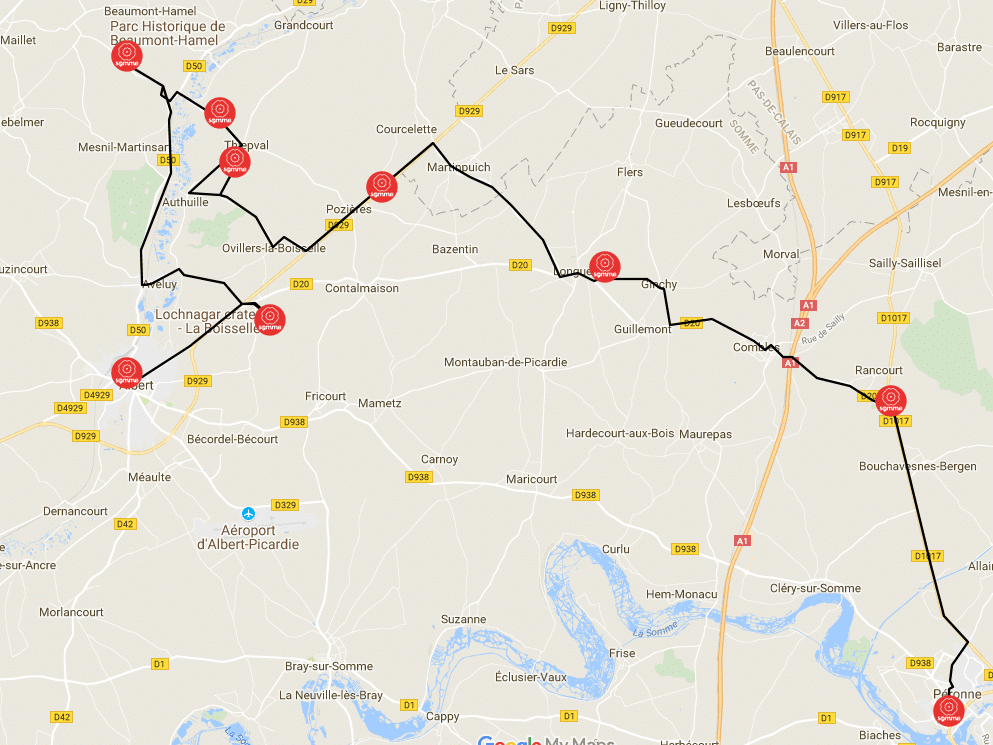
The main tourist route linking the major sites of the Battle of the Somme.
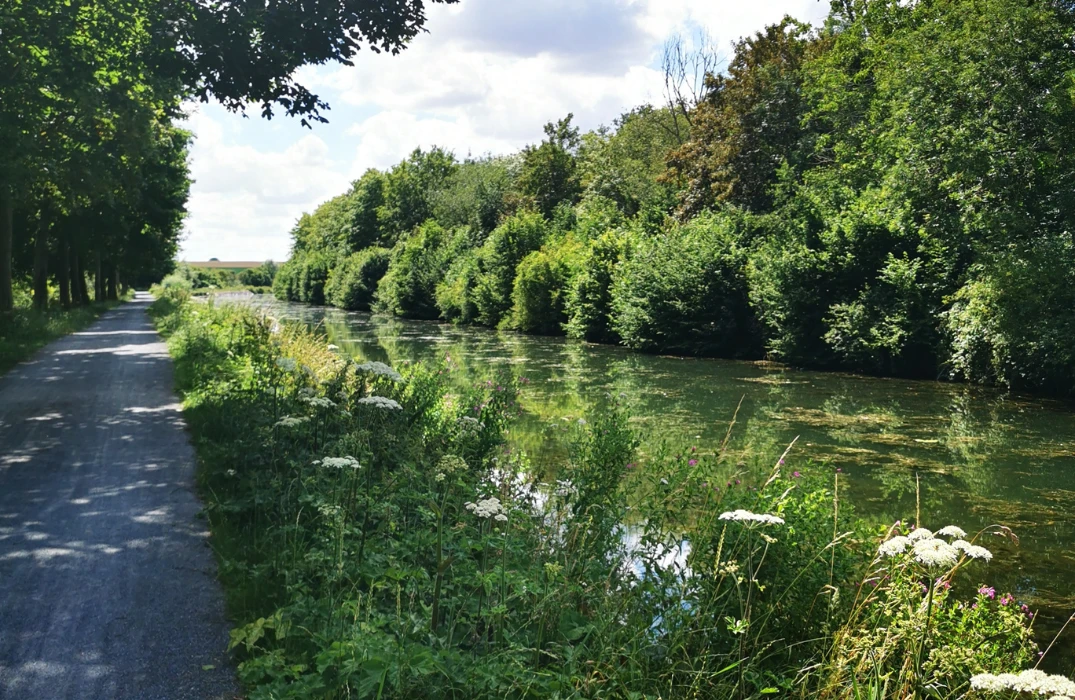
The main cycle route along the valley, ideal for linking Péronne, Bray, Froissy and the wetlands.
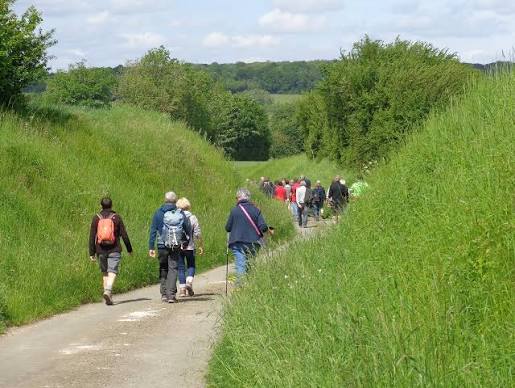
Many footpaths linking viewpoints, marshes, villages and places of remembrance.
They support Combles Infos